







Introduction
Planning a solo backpacking trip can be one of the most rewarding experiences of your life. Traveling alone allows you to set your own pace, explore your interests freely, and meet people from around the world on your own terms. However, the freedom of solo travel also comes with responsibilities. Proper planning ensures that your adventure is safe, smooth, and memorable. From choosing your destination to packing efficiently, every step matters when it comes to solo backpacking.
Choosing the Right Destination
Selecting the perfect destination is the first step in planning a solo backpacking trip. Your choice should balance safety, affordability, and accessibility. Countries with a strong backpacking culture often offer reliable accommodations, transportation, and local support networks. Consider destinations where English or your native language is widely understood, especially if it’s your first solo trip. Research the local culture, customs, and legal requirements to avoid surprises. Also, take into account the weather and seasonal conditions, as extreme climates can affect safety and mobility.
Creating a Flexible Itinerary
While spontaneity is part of the solo backpacking experience, a flexible itinerary helps you manage your time and resources efficiently. Start by identifying key landmarks, cities, or regions you want to visit. Estimate the number of days you need for each location, but leave room for unexpected discoveries or rest days. Incorporate a mix of activities, including sightseeing, hiking, cultural experiences, and opportunities to socialize with locals or other travelers. Always have backup options for transportation and accommodations in case your plans change.
Budgeting and Financial Planning
Financial preparation is crucial for any solo backpacking adventure. Determine a realistic budget that includes accommodation, food, transportation, entry fees, and emergency funds. Use travel apps or budgeting spreadsheets to track expenses before and during your trip. Consider carrying a combination of cash, debit, and credit cards to avoid financial issues abroad. Additionally, research currency exchange rates, and notify your bank about your travel plans to prevent card blocks. Having a clear financial plan reduces stress and allows you to enjoy your journey fully.
Packing Essentials for Solo Travel
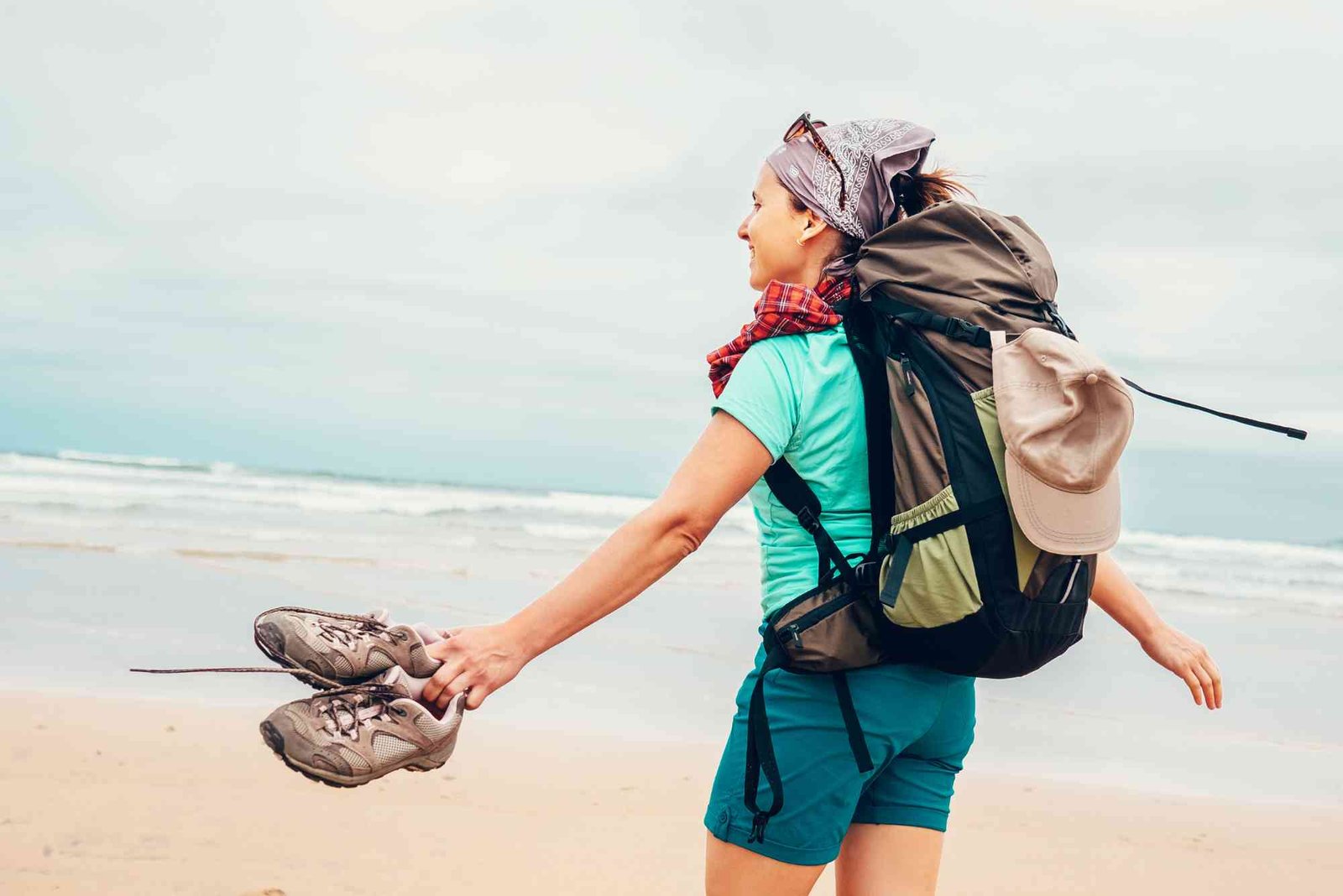
Packing for a solo backpacking trip requires careful consideration of weight, versatility, and necessity. Choose a durable, lightweight backpack that fits comfortably. Focus on multipurpose clothing suitable for different climates and activities. Include essential items like a first aid kit, travel documents, power banks, and a reusable water bottle. Personal safety tools, such as a whistle or small lock, can provide extra security. Remember, packing light not only eases mobility but also reduces fatigue during long walks or public transport journeys.
Booking Accommodation
Accommodation choices play a significant role in the comfort and safety of solo travelers. Hostels, guesthouses, and budget hotels often offer social environments where solo travelers can meet others. If you prefer privacy, consider private rooms or Airbnb options. Check online reviews, ratings, and the proximity of your stay to public transportation and main attractions. Booking at least the first few nights in advance can give you peace of mind while leaving room for flexibility as your trip progresses.
Transportation and Local Travel Tips
Efficient transportation planning ensures you maximize your time at each destination. Research local transportation options, including buses, trains, rideshares, and flights. Understanding the schedules, fares, and ticketing systems helps avoid confusion and wasted time. Consider walking or renting a bicycle in compact cities to explore efficiently. Always keep your valuables secure and remain aware of local safety guidelines when using public transport. Solo travelers should prioritize routes that are well-lit and frequented by others.
Staying Safe While Traveling Alone
Safety is paramount during solo backpacking trips. Share your itinerary with a trusted friend or family member and check in regularly. Keep copies of important documents and store them separately from the originals. Avoid risky areas after dark, and trust your instincts in unfamiliar situations. Engaging with local communities and fellow travelers can enhance safety, as locals often provide valuable advice about areas to avoid or current travel alerts. Solo travel requires vigilance without sacrificing the joy of exploration.
Engaging With Local Culture
One of the greatest advantages of solo travel is the opportunity to immerse yourself fully in local cultures. Respect local customs, learn basic phrases in the native language, and participate in cultural experiences. Dining at local eateries, attending festivals, and joining guided tours can offer authentic insights. Engaging respectfully with locals not only enriches your experience but also creates lasting memories and potential friendships.
Maintaining Health and Wellness
Traveling alone can be physically and mentally demanding. Maintain a healthy routine by staying hydrated, eating nutritious meals, and taking breaks during long travel days. Carry necessary medications, and consider travel insurance that covers health emergencies. Mental wellness is equally important; allow yourself downtime to rest, reflect, and recharge. Journaling or documenting your experiences can help maintain perspective and enhance your travel experience.
Capturing Memories
Documenting your journey is an important part of solo backpacking. Whether through photography, video, or writing, recording your experiences allows you to relive the adventure later. Capture both iconic landmarks and everyday moments to tell a complete story. Sharing experiences on blogs or social media can also inspire others and provide a sense of connection even while traveling alone.
Planning a solo backpacking trip is a balance of preparation and adventure. From selecting the right destination to packing efficiently and prioritizing safety, each step ensures a smooth and enjoyable journey. Solo travel fosters personal growth, independence, and unforgettable experiences. Embrace the freedom, stay open to new encounters, and trust your planning to guide you through an incredible adventure. Start your solo backpacking journey today and discover the world on your own terms.
Looking to make the most of your trips without overspending? Discover practical tips to save money and enjoy more experiences. Learn how to stretch your travel budget further and get expert advice on planning affordable adventures. Start traveling smarter today and make every dollar count.
FAQs
What is the best time to go on a solo backpacking trip?
The best time depends on your destination. Research seasonal weather patterns and avoid extreme climates.
How can I stay safe when traveling alone?
Share your itinerary, stay aware of your surroundings, and avoid risky areas after dark. Trust your instincts.
What should I pack for a solo backpacking trip?
Pack light, versatile clothing, essential documents, first aid kit, power banks, and personal safety items.
Is solo backpacking expensive?
Solo backpacking can be affordable with budgeting, using hostels, public transportation, and local food options.
How do I meet people while traveling alone?
Stay in hostels, join tours, attend social events, and engage with locals to meet fellow travelers.
Can I travel solo for the first time safely?
Yes, with research, preparation, and caution, first-time solo travelers can enjoy a safe and fulfilling adventure.