






Introduction
Chicken soup has long been recognized as a comforting, restorative dish, perfect for those recovering from illness or needing a nutrient boost. The warmth of the broth, combined with tender chicken, vegetables, and aromatic herbs, not only nourishes the body but also soothes the soul. Whether you are recovering from a cold, flu, or minor surgery, the right chicken soup can aid in hydration, provide essential nutrients, and help you feel better faster. In this guide, we explore the top chicken soup recipes for recovery, each designed to promote healing while offering delicious flavors that everyone will enjoy.
Classic Chicken Soup for Immunity
A timeless favorite, classic chicken soup is both simple and effective for recovery. The key ingredients include chicken bones for a rich, mineral-packed broth, fresh vegetables such as carrots, celery, and onions, and gentle seasonings like garlic and thyme. Slow-cooking the chicken and bones releases collagen, which can help support joint health and gut repair. Adding a pinch of black pepper enhances circulation, while fresh herbs provide antioxidants that aid in immune function. This recipe is ideal for anyone needing comfort and nourishment without overwhelming the digestive system.
Ginger and Turmeric Chicken Soup
Adding ginger and turmeric transforms a basic chicken soup into a healing powerhouse. Ginger is known for its anti-inflammatory and digestive benefits, while turmeric contains curcumin, a compound that reduces inflammation and supports overall recovery. Start by sautéing onions, garlic, and fresh ginger, then add chicken pieces, turmeric, and chicken stock. Including vegetables like carrots, spinach, or zucchini enhances the nutritional value. This soup not only warms the body but also helps combat fatigue and inflammation, making it perfect for convalescence.
Garlic and Herb Chicken Soup
Garlic is widely celebrated for its antiviral and immune-boosting properties. When combined with fresh herbs like parsley, rosemary, and thyme, chicken soup becomes an excellent remedy for recovery. Begin with a base of sautéed garlic and onions, add chicken pieces, and simmer with a mixture of herbs. This recipe is especially useful during cold and flu season because garlic may help reduce the severity of symptoms. Including a small amount of lemon juice at the end adds vitamin C, further supporting immunity.
Spicy Healing Chicken Soup
For those who can tolerate mild heat, a spicy chicken soup can help clear congestion and stimulate circulation. Ingredients such as chili flakes, cayenne pepper, or jalapeños provide warmth while boosting metabolism. This recipe often includes garlic, ginger, and onions for added healing properties. The combination of spices can also enhance appetite, which is essential when recovering from illness and lacking energy. Adding fresh vegetables ensures the soup remains nutrient-dense without being heavy on the stomach.
Bone Broth-Based Chicken Soup
Bone broth is celebrated for its nutrient density, making it an excellent base for recovery soups. Rich in collagen, amino acids, and minerals, bone broth supports gut health, joint repair, and immune function. Start by simmering chicken bones with water, apple cider vinegar, garlic, onions, and herbs for several hours. Once the broth is rich and flavorful, add shredded chicken, vegetables, and optional herbs. This soup is ideal for slow recovery, especially after surgery or a long illness, as it provides hydration and essential nutrients in an easily digestible form.

Lemon and Herb Chicken Soup
Lemon adds a refreshing tang while offering a dose of vitamin C, which is crucial for immune support and healing. Lemon and herb chicken soup combines chicken, broth, fresh herbs, and lemon juice for a light yet restorative meal. Simmer chicken with onions, garlic, carrots, and celery, then add lemon juice and fresh parsley at the end. This recipe is gentle on the stomach and can be consumed multiple times a day during recovery, helping to maintain hydration and nutrient intake.
Vegetable-Packed Chicken Soup
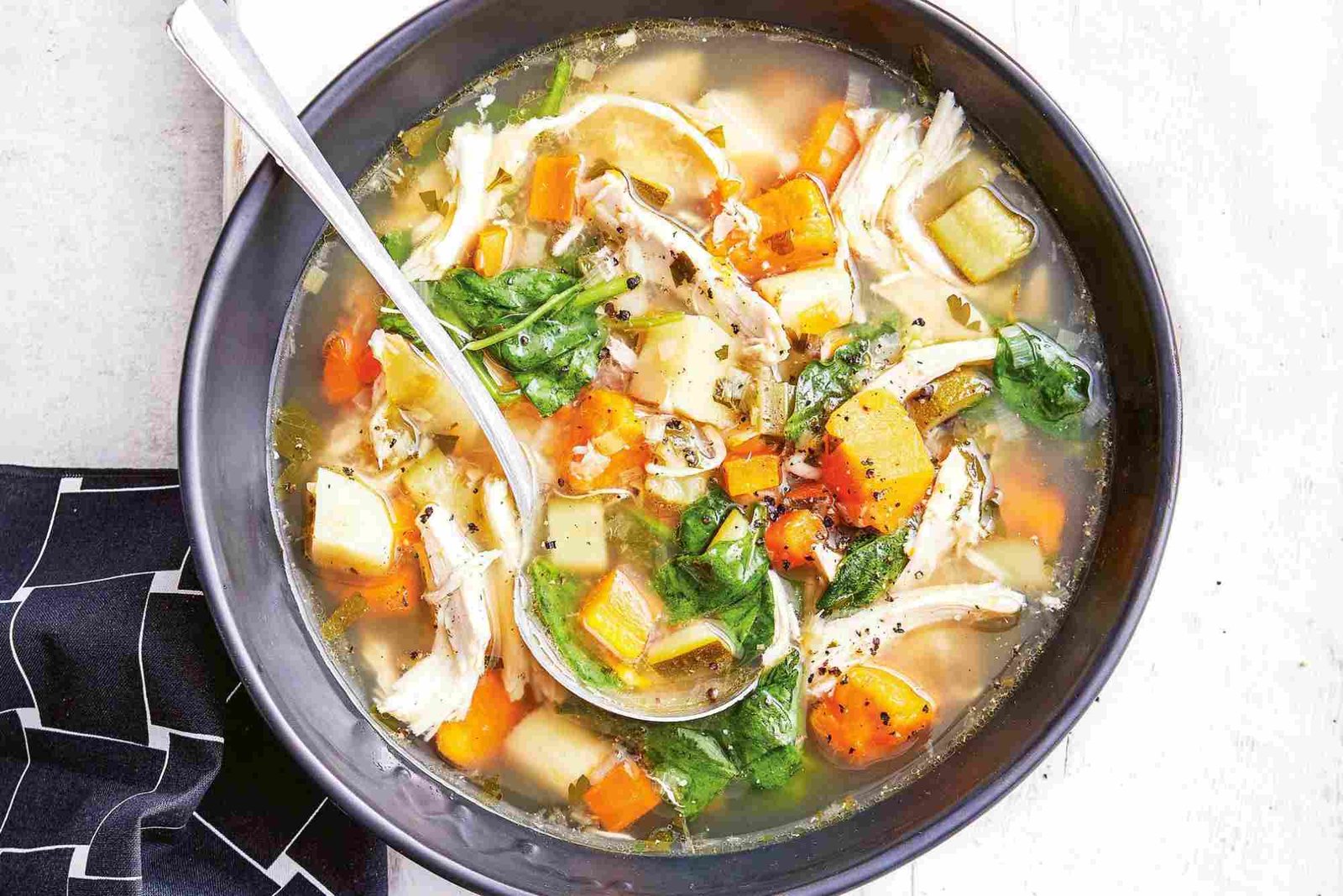
Adding a variety of vegetables increases the vitamin and mineral content of chicken soup, making it particularly beneficial during recovery. Common additions include carrots, celery, spinach, zucchini, and bell peppers. These vegetables provide fiber, antioxidants, and phytonutrients that aid in healing and immune function. Simmering chicken with these vegetables in a light broth creates a nutrient-rich, hydrating soup that supports energy levels and helps the body repair itself. This recipe is excellent for anyone seeking a balanced, wholesome recovery meal.
Asian-Inspired Chicken Soup
Asian-inspired chicken soups often use ingredients like ginger, garlic, mushrooms, bok choy, and soy sauce, resulting in a flavorful, nutrient-dense option. Adding miso or a small amount of chili enhances the health benefits by promoting digestion and providing probiotics when using fermented ingredients. This type of soup is particularly comforting for individuals with colds, congestion, or mild digestive issues. The combination of protein, vegetables, and healing spices ensures a well-rounded, restorative meal that supports both body and mind.
Slow Cooker Chicken Soup for Recovery
Using a slow cooker is a convenient way to prepare nutrient-rich chicken soup without constant monitoring. Simply add chicken, vegetables, herbs, and broth to the slow cooker and let it simmer for several hours. Slow cooking allows the flavors to meld and the nutrients to extract from the bones and vegetables fully. This method is ideal for caregivers or anyone needing a low-effort but highly nutritious soup during recovery. You can prepare multiple servings at once, ensuring that nourishing meals are always ready.
Chicken and Rice Soup
Adding rice to chicken soup increases its carbohydrate content, providing energy to support recovery. Chicken and rice soup is gentle on the stomach, making it suitable for individuals with digestive sensitivities. Cook chicken and vegetables in broth, then add rice and simmer until tender. Optionally, a few herbs and spices enhance the flavor without overwhelming the digestive system. This comforting, easy-to-digest soup supplies both protein and energy, essential for regaining strength during convalescence.
Tips for Making the Best Recovery Chicken Soup
Quality ingredients are key to making an effective recovery soup. Always use fresh chicken and vegetables, preferably organic, to maximize nutrient content. Slow cooking or simmering enhances flavor and releases nutrients from bones and vegetables. Avoid heavy creams or excessive salt, which may counteract the soup’s restorative properties. Incorporating a variety of herbs, spices, and vegetables ensures a balance of nutrients while enhancing immune support. Drinking chicken soup warm helps soothe the throat, improves circulation, and aids in digestion, making it a perfect recovery meal.
Chicken soup is more than just comfort food; it is a healing ally during recovery. From classic recipes to herbal, spicy, and nutrient-dense variations, these top chicken soup recipes for recovery can support immune function, promote hydration, and provide essential nutrients. Incorporating these soups into your recovery routine can help you feel better faster while enjoying delicious, wholesome meals. Start experimenting with these recipes today and experience the soothing, restorative power of chicken soup. Nourish your body and soul with every bowl.
Looking for quick and delicious meals? Discover easy dinner recipes with 5 ingredients that save time without compromising taste. These simple recipes are perfect for busy weeknights and ensure a wholesome meal with minimal effort. Try them today and enjoy stress-free cooking!
FAQs
What is the best chicken soup for recovery from flu?
A classic chicken soup with garlic, onions, carrots, and celery is ideal. Adding ginger and turmeric boosts immune support and helps reduce inflammation.
Can chicken soup help with post-surgery recovery?
Yes, especially bone broth-based soups. They provide collagen, amino acids, and minerals that support tissue repair and hydration.
How often should I eat chicken soup during recovery?
You can consume small servings 2–3 times a day, ensuring hydration and consistent nutrient intake without overwhelming your stomach.
Is it better to use chicken breast or bones for recovery soup?
Using bones creates a nutrient-rich broth, while adding meat like chicken breast provides protein. Combining both is most effective.
Can I freeze chicken soup for later use?
Yes, most chicken soups freeze well. Store in airtight containers and reheat gently to maintain flavor and nutrients.
Related Reading: Top Sandwich Recipes for Fast Meals