







Introduction
Traveling is one of life’s greatest pleasures, but uncomfortable shoes can quickly turn an exciting adventure into a painful experience. Choosing the right travel footwear is not just about style; it is about comfort, support, and suitability for your destination. The wrong shoes can lead to blisters, sore feet, or even injury, making your trip less enjoyable. Whether you’re trekking through rugged mountains, exploring bustling city streets, or lounging on tropical beaches, your footwear can make or break your travel experience. Understanding your options and selecting the right shoes for your journey is crucial for both comfort and mobility.
Understanding Your Travel Needs
Before investing in travel footwear, it’s essential to consider your travel plans. Every destination demands different types of footwear, and knowing your itinerary can help narrow your choices. For example, hiking in the mountains requires sturdy boots with excellent ankle support, while city travel may only need lightweight walking shoes. Consider the climate as well; hot and humid destinations call for breathable footwear, whereas cold or wet environments require insulated and water-resistant shoes. The duration of your trip is another factor, as longer journeys mean your shoes need to withstand extended wear without compromising comfort. By evaluating your travel style, terrain, and weather conditions, you can select footwear tailored to your adventure.
Prioritizing Comfort and Fit
Comfort is the most important factor when choosing travel shoes. Even stylish footwear is useless if it causes pain or fatigue. Start by measuring your feet accurately, as shoe sizes vary across brands and countries. Try shoes on later in the day when your feet are slightly swollen to ensure a proper fit. Look for shoes with cushioned insoles and adequate arch support to reduce strain on your feet. Consider the flexibility of the sole as well; too rigid soles may cause discomfort on uneven surfaces, while overly soft soles may not provide enough support for long walks. A well-fitted shoe should feel snug but not tight, allowing your toes to move freely without pressure.
Choosing the Right Material
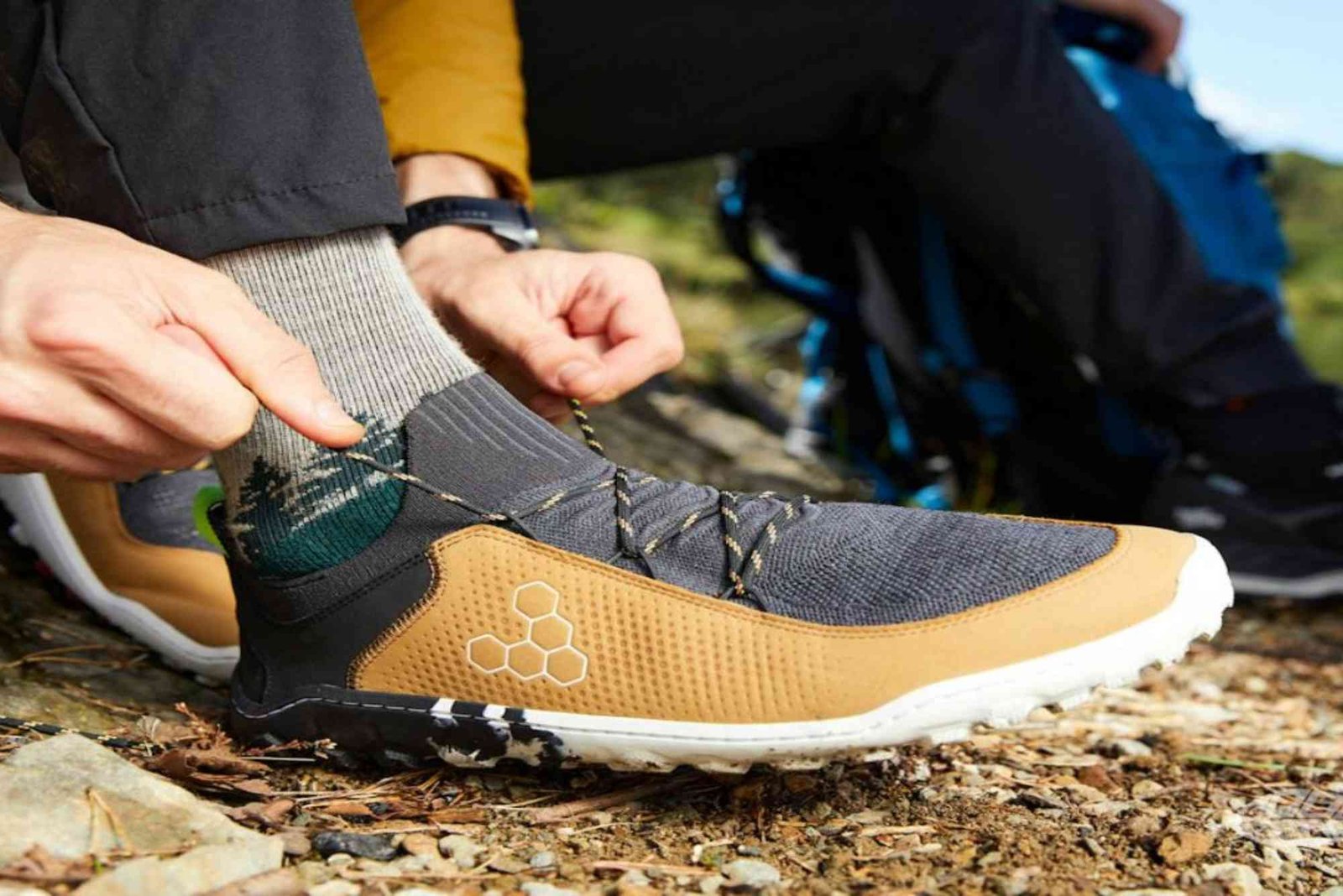
The material of your travel footwear impacts both comfort and durability. Leather shoes are durable, stylish, and suitable for urban travel, but they may require a break-in period. Synthetic materials are often lighter, more flexible, and water-resistant, making them ideal for outdoor activities. Breathable fabrics like mesh allow airflow, which prevents sweat accumulation and reduces odor. Waterproof materials are crucial for rainy destinations or hiking trips where your shoes might get wet. Consider also the ease of cleaning, as some materials stain or wear quickly when exposed to dirt and moisture. Choosing the right material ensures your shoes perform well throughout your trip.
Evaluating Support and Stability
Support and stability are vital for preventing injuries and fatigue. Shoes with good arch support distribute pressure evenly across your feet, reducing pain during long walks. If you plan to hike or walk on uneven terrain, look for shoes with reinforced heels and ankle support. Non-slip soles are essential for wet or slippery surfaces, ensuring you maintain balance on unpredictable terrain. Stability features like wider soles or cushioned midsoles enhance your comfort and safety, especially when carrying a backpack or luggage. Proper support also helps maintain posture, reducing the risk of knee and back pain during extended travel.
Considering Weight and Packability
Travelers often overlook the weight and packability of footwear, yet these factors are critical for convenience. Lightweight shoes reduce fatigue, particularly when walking long distances. Compact, foldable footwear is perfect for trips where luggage space is limited. Heavy boots or shoes may feel cumbersome and slow you down, while lightweight options keep you agile and comfortable. Some travelers carry two pairs: a durable pair for exploring and a lightweight pair for casual use. Balancing weight and functionality ensures you have the right shoes for every situation without overpacking.
Breaking in New Shoes Before Travel
Wearing new shoes directly on a trip can lead to blisters and discomfort. It’s essential to break in your travel footwear beforehand. Wear them around the house or on short walks to soften the material and adjust to your foot shape. Pay attention to areas that may rub or pinch, and address issues with protective padding or blister prevention products. Properly broken-in shoes provide a much smoother travel experience, allowing you to focus on your adventure rather than sore feet.
Matching Footwear to Activities
Different travel activities demand different shoes. Urban exploration typically requires comfortable walking shoes with good cushioning. Hiking or trekking needs boots or trail shoes with excellent grip and ankle support. Beach vacations benefit from breathable sandals or water shoes that dry quickly. Multi-day adventures may require versatile footwear that transitions from walking tours to casual dinners. Matching your shoes to your activities ensures you have appropriate support, comfort, and safety for every aspect of your trip.
Maintaining Your Shoes While Traveling
Keeping your shoes clean and in good condition is essential for long-term use. Wipe off dirt and mud regularly, and allow wet shoes to dry naturally to prevent odors and damage. Use shoe bags to protect them in luggage and avoid deformation. Rotating pairs helps shoes last longer and prevents discomfort from prolonged wear. Taking care of your footwear ensures consistent comfort and performance throughout your travels, saving you money and stress on future trips.
Choosing the right travel footwear is an investment in comfort, mobility, and enjoyment. By considering your travel needs, prioritizing comfort, selecting suitable materials, and breaking in your shoes, you can prevent pain and enhance your adventure. Don’t forget to maintain your footwear and match it to your activities for maximum benefit. Remember, the right pair of shoes can make every step of your journey more enjoyable and memorable. Take time to select shoes wisely, and your feet will thank you every mile of the way. Start planning your next adventure with the perfect travel footwear today and explore the world without limits.
Dreaming of exploring the globe without leaving your career behind? Discover practical strategies, tips, and tools to make it possible. From remote work hacks to smart travel planning, you can achieve your wanderlust goals. Learn more about how to travel freely without quitting your job by visiting how to travel the world without quitting your job.
FAQs
What type of shoes are best for long city walks?
Comfortable walking shoes with cushioned soles and arch support are ideal for exploring cities all day.
Can I use hiking boots for urban travel?
Yes, but lightweight, flexible shoes may be more comfortable for city streets.
How do I prevent blisters while traveling?
Break in new shoes, wear moisture-wicking socks, and use blister prevention products on sensitive areas.
Are sandals suitable for long hikes?
Generally, no. Closed-toe shoes with support are better for uneven terrain, though hiking sandals can work in specific conditions.
How many pairs of shoes should I pack for a trip?
Two pairs are usually sufficient: one for heavy walking or hiking, and a lighter pair for casual activities and city exploration.