








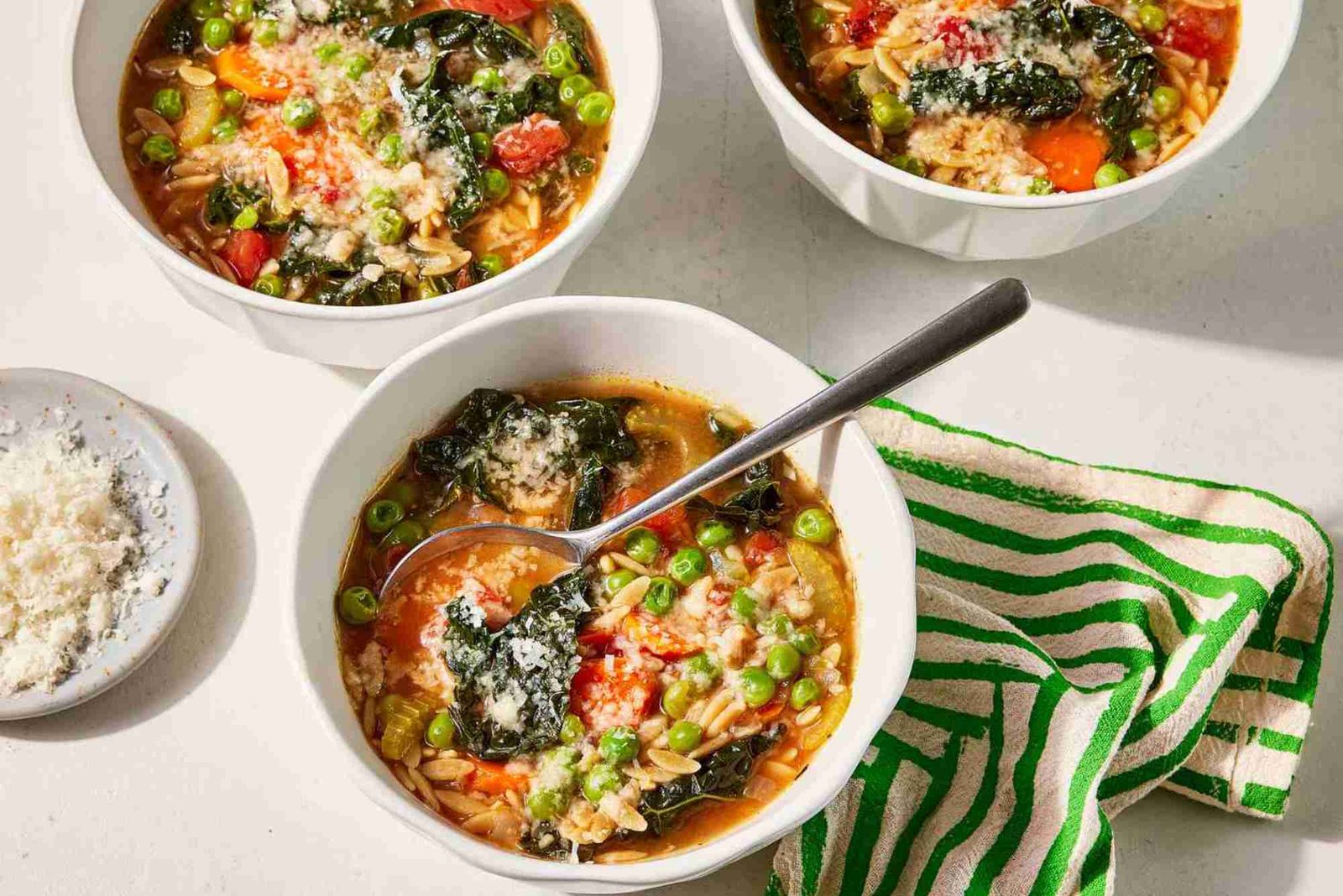
Introduction
Winter is the perfect time to enjoy a warm, comforting bowl of soup. Not only do soups provide warmth, but they are also packed with nutrients to boost your immunity during the cold season. Whether you prefer creamy textures or hearty broths, winter soups can be both flavorful and nourishing. From classic recipes to creative twists, exploring different soup options can turn simple ingredients into a delightful meal.
Vegetable Soups for Cold Days
Vegetable soups are ideal for winter because they are rich in vitamins and minerals. A classic winter vegetable soup combines carrots, celery, potatoes, and onions simmered in a flavorful broth. You can enhance the taste by adding herbs like thyme, rosemary, or parsley. For added texture and protein, beans or lentils can be included. These soups are light, healthy, and perfect as a starter or a main dish.
Creamy Soups to Warm Your Soul
Creamy soups are indulgent, making them a favorite during chilly days. Creamy tomato soup is a timeless choice, often paired with grilled cheese sandwiches for a comforting meal. Another popular option is creamy pumpkin soup, which combines the natural sweetness of pumpkin with spices like nutmeg and cinnamon. Using coconut milk or cream adds richness without overpowering the natural flavors. Smooth and velvety, creamy soups are perfect for satisfying hunger and warming up from the inside.
Hearty Meat-Based Soups
Meat-based soups are perfect for those looking for a protein-rich winter meal. Chicken soup is a universal favorite, known for its comforting and immune-boosting properties. Slow-cooked beef soup, often with root vegetables, provides a hearty and filling experience. Lamb or turkey soups, seasoned with garlic, onions, and bay leaves, add depth to the flavor. These soups are not only satisfying but also provide essential nutrients to keep energy levels high during winter.
Spicy Soups for Extra Warmth
Adding a hint of spice to your winter soup can provide extra warmth and stimulate the senses. Spicy lentil soup, infused with chili, cumin, and coriander, delivers a perfect balance of heat and flavor. Hot and sour soups, common in Asian cuisine, combine vinegar, soy sauce, and chili for a tangy, warming experience. Spices not only enhance taste but also offer health benefits, such as improved circulation and digestion, making them ideal for cold weather.
Seafood Soups for a Unique Twist
Seafood soups bring a unique flavor profile to winter meals. Clam chowder is a creamy classic, often prepared with potatoes, onions, and a touch of bacon. Fish stews, such as a Mediterranean-style fish soup with tomatoes, garlic, and herbs, offer a lighter yet satisfying option. Seafood soups are not only delicious but also provide omega-3 fatty acids, which are beneficial for heart health and overall wellness during the colder months.
Slow-Cooked and One-Pot Soups
One of the easiest ways to prepare winter soups is using a slow cooker or a single pot. Slow-cooked soups allow flavors to meld together beautifully while saving time. For example, a slow-cooked minestrone or chicken and vegetable soup can be prepared in advance and enjoyed throughout the week. One-pot recipes reduce cleanup and maximize flavor, making them perfect for busy days when comfort food is needed the most.
Healthy Winter Soup Ingredients
Choosing nutrient-rich ingredients is essential for winter soups. Root vegetables like carrots, sweet potatoes, and parsnips are excellent for providing warmth and nutrition. Adding leafy greens, such as spinach or kale, enhances the vitamin content. Legumes, including lentils and beans, offer protein and fiber. Herbs and spices like garlic, ginger, turmeric, and black pepper not only add flavor but also have immune-boosting properties. Using homemade broths instead of store-bought enhances the taste and health benefits.
Tips for Perfect Winter Soups
To achieve the perfect winter soup, start with a flavorful base. Sauté onions, garlic, and spices before adding liquids. Simmering slowly allows ingredients to release their full flavor. For creamy soups, blending part of the soup creates a smooth texture without adding excessive cream. Taste frequently and adjust seasoning before serving. Serving soup hot with fresh bread or croutons makes the meal even more comforting. Presentation also matters, so garnish with herbs, a swirl of cream, or a sprinkle of cheese to elevate the experience.
Winter soups are more than just a meal; they are a source of warmth, nourishment, and comfort. Whether you enjoy light vegetable soups, creamy indulgences, hearty meat-based options, or spicy and exotic flavors, there is a winter soup for everyone. Experimenting with different recipes and ingredients can turn your winter meals into delightful culinary experiences. Start exploring these soup recipes and embrace the cozy season with a warm bowl in hand. Don’t wait—try these delicious winter soups today and feel the comfort with every sip.
Discover the delicious world of rice with our curated collection of must-try recipes. From savory classics to innovative twists, these dishes bring flavor and comfort to every meal. Explore our top rice recipes for easy cooking tips and tasty inspirations. Check them out here: Top Rice Recipes You Must Try.
FAQs
What are the best soups to make in winter?
The best soups for winter include vegetable soups, creamy tomato, pumpkin, chicken, beef, and spicy lentil soups.
How can I make soup more flavorful?
Sauté onions, garlic, and spices before adding broth. Simmer slowly to allow flavors to meld.
Are creamy soups healthy for winter?
Yes, especially when using vegetables, low-fat cream, or coconut milk. They provide nutrients while keeping you warm.
Can I make soups ahead of time?
Absolutely. Most soups taste even better the next day, and slow-cooked or one-pot soups store well in the fridge or freezer.
Which ingredients are best for winter soups?
Root vegetables, legumes, leafy greens, lean meats, and spices like ginger, garlic, and turmeric enhance taste and nutrition.