






Introduction
Baking can feel intimidating at first. However, once you understand the basics, it becomes simple and enjoyable. If you have ever wondered how to bake perfect cakes at home, you are not alone. Many beginners struggle with dry textures, uneven baking, or sunken centers. The good news is that baking perfect cakes is not about luck. It is about understanding ingredients, technique, and timing.
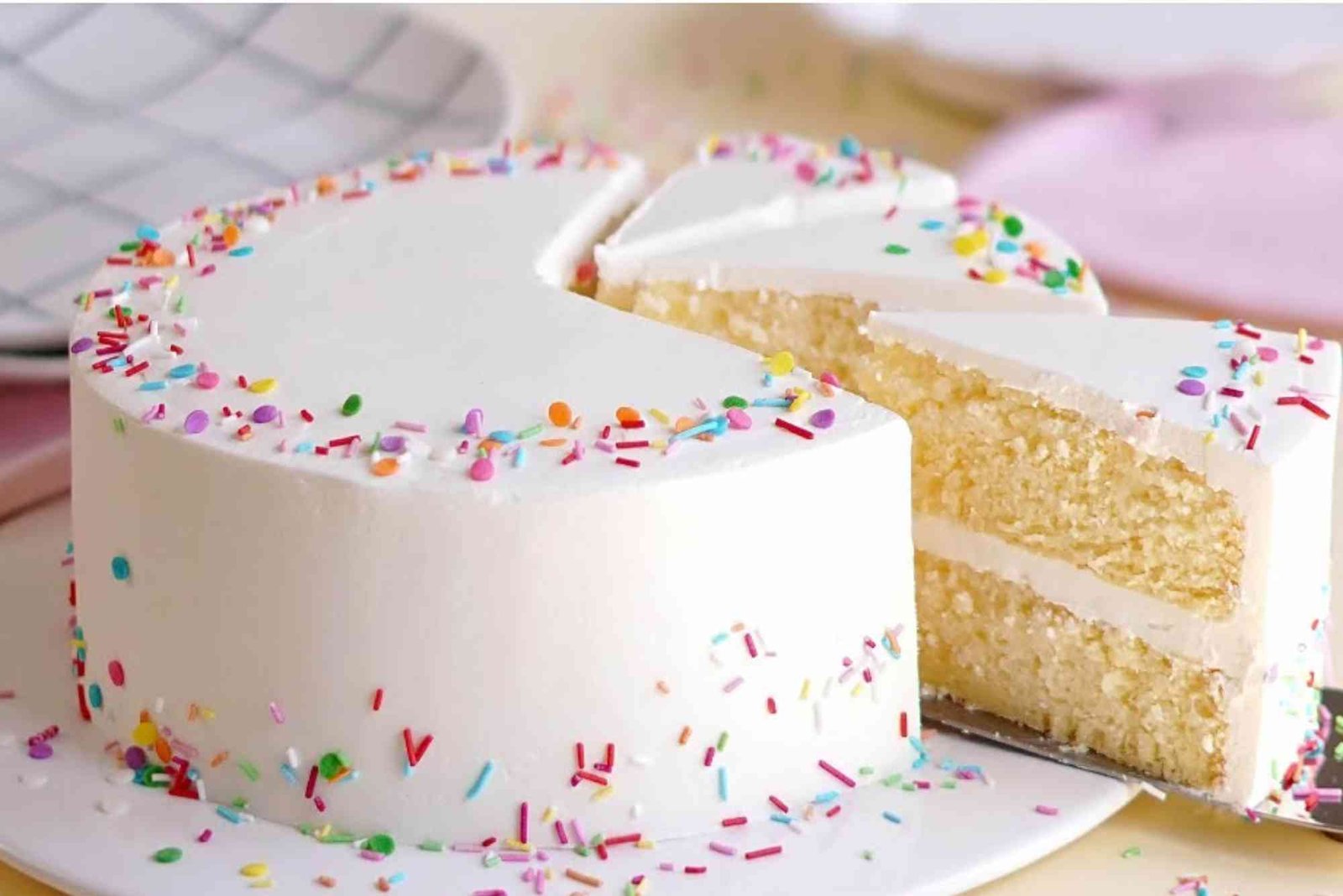
In this guide, you will learn how to bake perfect cakes at home using practical, proven methods. Whether you are making a birthday cake or a simple tea cake, these steps will help you achieve soft, fluffy, and moist results every time.
Understanding the Basics of Baking Perfect Cakes
Before you turn on the oven, you need to understand how baking works. Cakes rely on balance. Each ingredient has a purpose. When combined correctly, they create structure, flavor, and texture.
The Role of Key Ingredients
Flour provides structure. It forms the base of the cake. Too much flour makes cakes dense. Too little makes them collapse. Sugar does more than sweeten. It keeps the cake moist and tender. It also helps create a golden crust. Eggs bind ingredients together. They add richness and help the cake rise. Butter or oil adds moisture and flavor. Butter gives a rich taste. Oil produces a softer crumb.
Leavening agents such as baking powder or baking soda create air bubbles. These bubbles help the cake rise. Milk or buttermilk adds moisture and improves texture. It also activates certain ingredients. When learning how to bake perfect cakes at home, always measure these ingredients accurately. Baking is science, not guesswork.
Preparing Your Kitchen the Right Way
Preparation makes baking easier and more successful. Many mistakes happen before mixing even begins.

Measure Ingredients Properly
Use measuring cups for dry ingredients and measuring jugs for liquids. Level off flour with a knife. Avoid scooping directly from the bag, as this packs flour tightly.
If possible, use a kitchen scale. Professional bakers rely on weight for consistent results.
Bring Ingredients to Room Temperature
Room temperature butter and eggs mix better. Cold ingredients can cause uneven texture. Take them out 30 minutes before baking.
Preheat the Oven
Never place cake batter in a cold oven. Preheating ensures proper rising. Most cakes bake at 160–180°C (320–350°F).
These small steps make a big difference when trying to bake perfect cakes at home.
Mixing Techniques That Guarantee Success
How you mix ingredients affects texture. Overmixing and undermixing both cause problems.
Creaming Method
This method is common for butter cakes. Beat butter and sugar until light and fluffy. This step adds air into the batter. Add eggs one at a time. Then fold in dry ingredients gently.
One-Bowl Method
For beginners, this method is simple. Mix dry ingredients first. Then add wet ingredients. Stir until just combined.
Do Not Overmix
Once flour is added, mix gently. Overmixing develops gluten, which makes cakes tough.
Mastering mixing is essential if you want to know how to bake perfect cakes at home consistently.
Choosing the Right Baking Pan
The pan you use matters more than you think.
Light-colored metal pans bake evenly. Dark pans brown cakes faster. Glass pans retain heat longer.
Always grease your pan properly. Use butter or oil, then dust lightly with flour. Alternatively, use parchment paper.
Fill pans only two-thirds full. Overfilled pans overflow. Underfilled pans bake unevenly.
Baking at the Correct Temperature
Temperature control is crucial when baking perfect cakes.
Avoid opening the oven door too early. This causes temperature drops and sinking centers.
Place the cake in the middle rack. This ensures even heat circulation.
To check doneness, insert a toothpick into the center. If it comes out clean, the cake is ready.
If the top browns too quickly, cover loosely with foil.
These simple habits help you master how to bake perfect cakes at home like a pro.
Cooling and Removing the Cake Properly
Cooling is just as important as baking.
Let the cake rest in the pan for 10 minutes. Then transfer it to a wire rack. Cooling completely prevents sogginess.
Never frost a warm cake. The frosting will melt and slide off.
Patience during cooling improves texture and appearance.
Common Mistakes to Avoid
Even experienced bakers make errors. However, knowing common issues helps you avoid them.
Using expired baking powder results in flat cakes. Always check freshness.
Incorrect oven temperature leads to uneven baking. Use an oven thermometer if possible.
Overbaking dries the cake. Start checking five minutes before the recommended time.
Too much sugar makes cakes collapse. Always follow recipe ratios carefully.
When learning how to bake perfect cakes at home, avoiding these mistakes is just as important as following steps.
Tips for Moist and Fluffy Cakes
Everyone wants a soft and moist cake. Fortunately, a few expert tricks can help.
Add a tablespoon of yogurt or sour cream for extra moisture.
Use oil instead of butter for super soft texture.
Do not overbake. Slightly underbaking by one minute is safer than overbaking.
Brush cooled cake layers with simple syrup for extra moisture.
Store cakes in airtight containers to prevent drying.
These small adjustments transform ordinary cakes into bakery-style desserts.
Decorating Like a Professional
Presentation enhances the experience.
Level cake layers using a serrated knife.
Apply a thin crumb coat first. Chill for 20 minutes. Then add the final frosting layer.
Use a spatula for smooth finishes. For beginners, simple designs look elegant.
Even minimal decoration can look stunning when done neatly.
Practice Makes Perfect
Like any skill, baking improves with practice. Your first cake may not be perfect. However, each attempt teaches you something new.
Try different flavors. Experiment with chocolate, vanilla, lemon, or red velvet. Adjust sweetness and texture based on preference.
Keeping a baking journal helps. Write down what worked and what did not.
Over time, you will confidently bake perfect cakes at home without hesitation.
Start Baking with Confidence Today
Now you understand how to bake perfect cakes at home with confidence. From measuring ingredients correctly to mastering mixing techniques, every step matters. Small details create big differences.
Baking is not about perfection. It is about practice and patience. The more you bake, the better your results will be.
If you’re craving bold flavors and heat, these top curry recipes are perfect for spicy food lovers. From creamy coconut curries to fiery Indian classics, each dish is packed with flavor and easy to recreate at home. Explore our collection of top curry recipes to spice up your meals today!
Frequently Asked Questions
Why is my cake dense instead of fluffy?
Dense cakes usually result from overmixing or too much flour. Measure accurately and mix gently after adding dry ingredients.
How do I keep my cake from sinking in the middle?
Avoid opening the oven early. Also, check that your baking powder is fresh. Proper oven temperature is key.
Can I bake a cake without eggs?
Yes, you can substitute eggs with yogurt, mashed bananas, or applesauce. However, texture may vary slightly.
How long should I preheat the oven?
Most ovens need 10 to 15 minutes to reach proper temperature. Always preheat fully before baking.
Why does my cake crack on top?
Cracks happen when the oven is too hot. Lower the temperature slightly and bake on the middle rack.
Related Reading: Smart Building Starts with Better Solutions: How Timber Drives Efficient and Lasting Home Projects — full guide