






Introduction
Long flights can be both exciting and exhausting. Whether you’re flying for business or leisure, spending hours in the air can take a toll on your body and mind. However, with the right preparation and smart choices, you can turn a long-haul journey into a comfortable and even enjoyable experience.
Prepare Before Your Flight
Comfortable travel starts long before you board the plane. Proper preparation can make a big difference in how well you handle the long hours ahead. Start by choosing your flight wisely. Whenever possible, book a direct flight to avoid long layovers. Select a seat that best suits your comfort needs—aisle seats provide more freedom to move around, while window seats allow you to lean and rest easily.
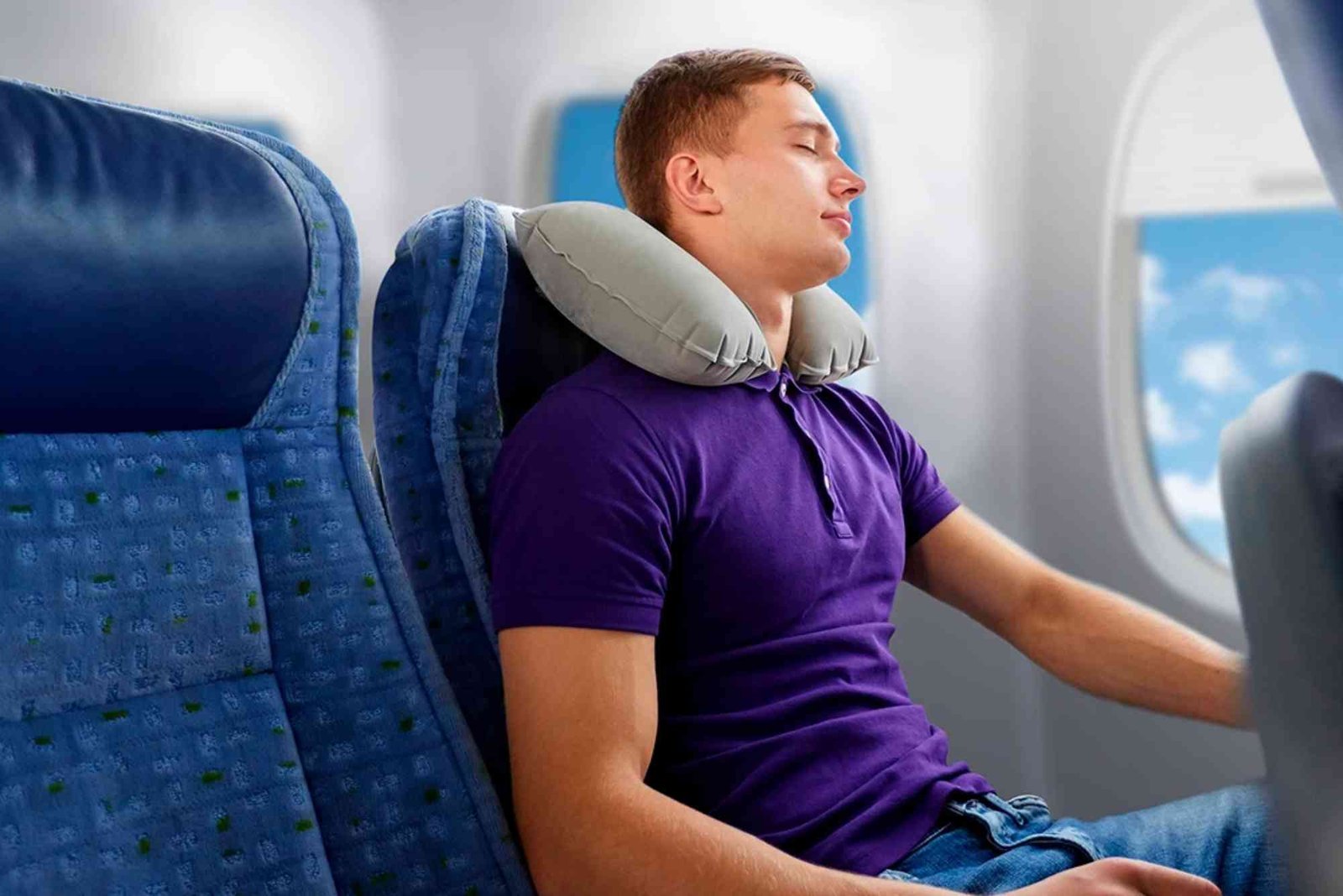
Packing smart is another key step. Bring travel essentials such as a neck pillow, noise-canceling headphones, eye mask, and a lightweight blanket. Keep a small toiletry kit with items like a toothbrush, moisturizer, and lip balm to freshen up mid-flight. Wearing comfortable clothing and layering is also crucial since cabin temperatures can fluctuate.
Stay Hydrated and Eat Light
One of the most common mistakes travelers make is neglecting hydration. Airplane cabins have low humidity, which can lead to dehydration, dry skin, and fatigue. Drink plenty of water throughout the flight, even if you don’t feel thirsty. Avoid too much coffee, alcohol, and carbonated drinks, as these can dehydrate your body and disrupt sleep.
Eating light meals before and during your flight can help prevent bloating and indigestion. Choose balanced meals with fruits, vegetables, and lean protein. It’s best to avoid heavy or greasy foods, which can make you feel sluggish. If possible, bring your own healthy snacks like nuts, dried fruits, or protein bars to stay energized without relying on in-flight meals.
Move and Stretch Regularly
Sitting in the same position for hours can cause stiffness, poor circulation, and discomfort. To travel comfortably on long flights, it’s important to keep your body active, even in small ways. Try to stand up, walk down the aisle, or stretch your legs every hour or two. Simple movements like rotating your ankles, rolling your shoulders, and flexing your feet can help improve blood flow and prevent swelling.
Compression socks are also a great investment for long flights, as they reduce the risk of deep vein thrombosis (DVT) and keep your legs feeling lighter. If you have extra legroom, use it to stretch out or prop your feet on a small bag to ease lower back pressure.
Create a Restful Environment
Rest is one of the most important elements of comfortable air travel. Even if you can’t sleep the entire flight, taking short naps can help your body recharge. To improve your sleep quality, create a calm and cozy environment. Use an eye mask to block out light and noise-canceling headphones or earplugs to reduce cabin noise.
Adjust your seat into a comfortable position and use your neck pillow to support your head and prevent stiffness. Listening to soft music, meditation sounds, or sleep podcasts can also help you drift off faster. If you struggle to sleep on planes, try adjusting your watch to your destination’s time zone before boarding to help your body start adjusting early.
Keep Your Skin and Body Fresh
Long flights can dry out your skin, lips, and eyes. Carry a small travel-sized moisturizer and apply it regularly, especially on your face and hands. Lip balm is a must to prevent cracking. If your eyes get dry, consider using hydrating eye drops.
You can also freshen up mid-flight by brushing your teeth, washing your face, or using facial wipes. Bringing deodorant and a change of clothes for very long flights can make you feel more refreshed upon arrival. Simple self-care steps like these go a long way in improving your comfort and confidence.
Use Entertainment to Stay Relaxed
Boredom can make time feel slower, so keeping yourself entertained is essential. Most long-haul flights offer a wide range of in-flight entertainment options such as movies, TV shows, and music. However, it’s a good idea to bring your own options too. Download audiobooks, podcasts, or e-books before your flight in case the onboard system doesn’t have what you like.
If you enjoy being productive, bring a journal or tablet to write, plan, or brainstorm ideas. Traveling can be an inspiring experience, and flights often provide quiet time for reflection. Alternating between entertainment, relaxation, and short naps can make the journey feel shorter and smoother.
Dress for Comfort and Flexibility
Choosing the right outfit can make a big difference when it comes to comfort. Opt for soft, breathable fabrics such as cotton or stretchable materials. Avoid tight jeans, stiff fabrics, or restrictive belts. Layering is key—airplanes can shift from warm to cold quickly, so having a cardigan or light jacket handy can keep you comfortable.
Wearing comfortable shoes is equally important. Your feet may swell slightly due to cabin pressure, so slip-on shoes or sneakers are ideal. If you like to remove your shoes mid-flight, wear clean socks or bring an extra pair for hygiene and comfort.
Manage Jet Lag Effectively
For long international flights, jet lag can be a major issue. To reduce its effects, start adjusting your sleep schedule a few days before departure. If possible, match your sleeping and eating times to your destination’s time zone. During the flight, try to sleep when it’s nighttime at your destination and stay awake when it’s daytime.
Once you arrive, spend some time outdoors to help your body adjust to the new light cycle. Natural sunlight helps reset your internal clock, reducing fatigue and improving your mood. Staying hydrated and avoiding alcohol on arrival can also speed up recovery from jet lag.
Keep Your Mind Calm and Positive
Long flights can sometimes cause anxiety or restlessness. Practicing mindfulness can help you stay calm and present. Breathing exercises, short meditations, or simply listening to calming music can reduce stress. Remind yourself that the flight is part of your journey, not just a delay before your destination.
If you often feel anxious during takeoff or turbulence, try distraction techniques—watch a lighthearted movie, read a book, or talk with a travel companion. Focusing on positive thoughts and your upcoming adventures can shift your mindset from tension to excitement.
Plan for a Smooth Arrival
A comfortable flight experience doesn’t end when the plane lands. Plan ahead to make your arrival smoother. Have your travel documents ready and double-check airport transportation before landing. Stretch your body as soon as you deboard to re-energize your muscles.
If your flight was overnight, freshen up before meeting anyone or heading to your hotel. Taking a shower and eating a light meal can help you adjust quickly and enjoy your destination right away.
Travel Smart, Arrive Refreshed
Learning how to travel comfortably on long flights is about balance—caring for your body, planning ahead, and staying calm throughout the journey. With small adjustments like staying hydrated, moving regularly, and dressing smartly, you can transform a tiring flight into a pleasant experience. Remember that preparation is key, and comfort is within your control.
If you’re planning your next long journey, start implementing these tips now. You’ll not only enjoy the flight more but also arrive at your destination ready to explore and experience the world fully.
Planning your next getaway? Top Road Trip Routes for Adventure Seekers highlights thrilling journeys packed with scenic views, winding highways, and unforgettable stops. From coastal drives to mountain passes, this guide helps travelers discover routes that offer freedom, challenge, and pure adventure—perfect for those who crave exploration beyond typical destinations.
FAQs
How can I sleep better on long flights?
Bring a neck pillow, use an eye mask, and block out noise with headphones or earplugs. Adjust your seat for comfort and relax with calming music.
What should I wear on a long flight?
Choose soft, breathable clothing and layer your outfit. Avoid tight clothes and opt for slip-on shoes for flexibility.
How do I avoid leg pain or swelling during long flights?
Move and stretch regularly, stand up when possible, and wear compression socks to improve circulation.
Is it okay to drink coffee or alcohol during a long flight?
It’s best to limit both since they can cause dehydration. Water and herbal teas are better choices for staying hydrated.
How can I prevent jet lag after a long flight?
Adjust your sleep schedule before the trip, get sunlight exposure at your destination, and stay hydrated to help your body adapt faster.