







Introduction
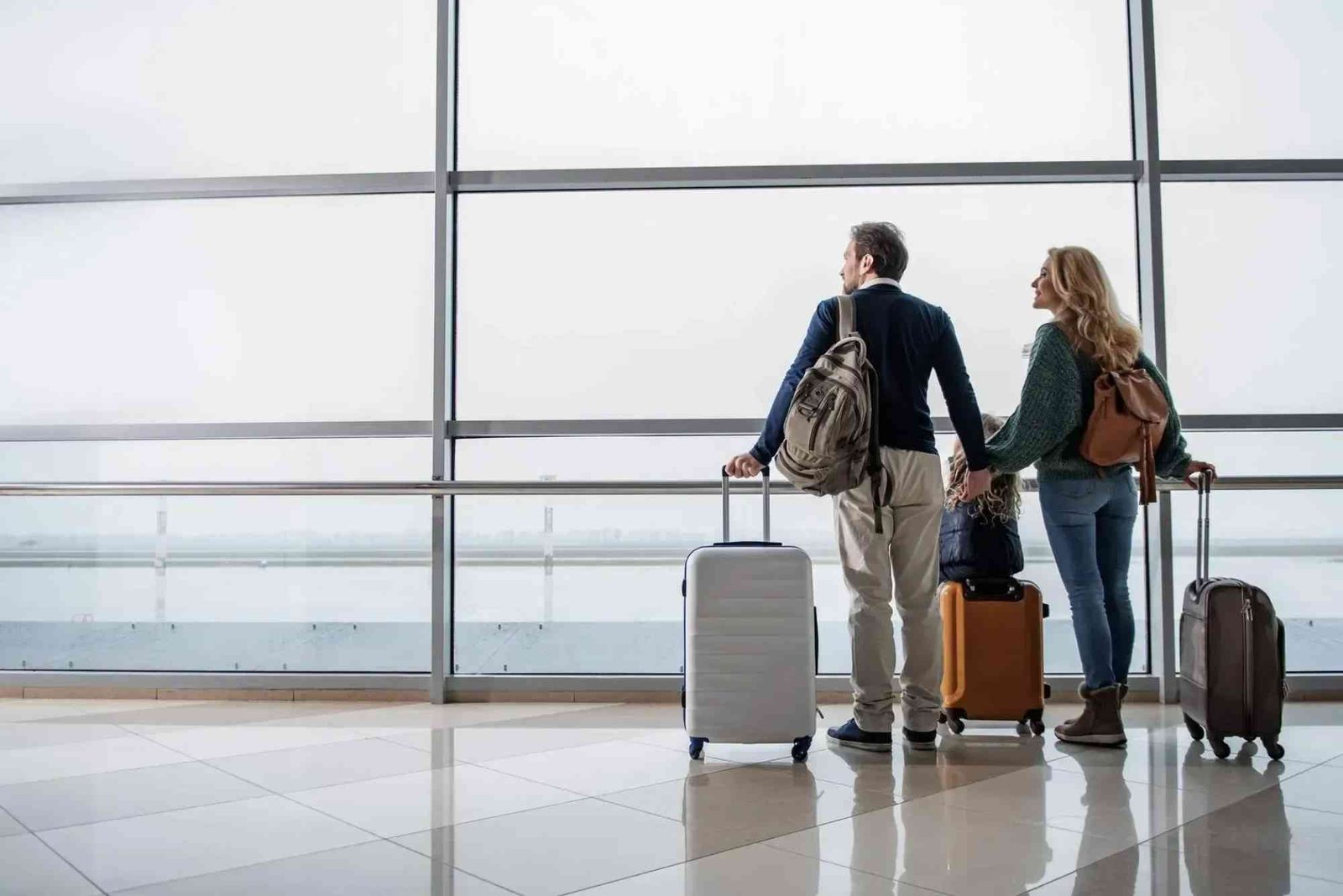
Traveling can be exciting, but airports often feel overwhelming. Long lines, security checks, and confusing layouts can make even seasoned travelers anxious. Learning how to navigate airports like a pro saves time, reduces stress, and makes your journey more enjoyable. This guide covers expert tips to help you move efficiently, stay organized, and travel confidently.
Plan Ahead for a Smooth Start
Preparation is key to navigating airports successfully. Knowing your flight details, terminal, and airport layout in advance can make a significant difference. Check your airline’s website for terminal maps, boarding gate information, and flight updates. Download the airline app to access digital boarding passes and real-time notifications. Arriving early allows you to manage unexpected delays, reducing stress and making security procedures easier.
Pack Smart and Light
Efficient packing improves airport navigation. Carry-on luggage with organized compartments helps you find essentials quickly. Place liquids, electronics, and documents in accessible pockets to speed up security checks. Avoid overpacking; heavy or oversized bags can slow you down. Rolling clothes instead of folding saves space and prevents wrinkles. Packing a small personal item, like a backpack or tote, ensures you have your essentials handy.
Master the Check-In Process
Check-in can be one of the most time-consuming parts of air travel. Use online check-in whenever possible to skip long queues. Printing boarding passes in advance or using mobile passes speeds up entry. If you must check baggage, know your airline’s weight limits and fees to avoid surprises. For frequent travelers, consider enrolling in programs like TSA PreCheck or global entry. These services allow faster security screening, giving you more time to relax before your flight.
Navigate Security With Ease
Security lines can be stressful, but preparation reduces hassle. Wear easily removable shoes and minimal accessories to speed up screening. Keep electronics and liquids accessible for inspection. Place laptops in a separate bin and follow TSA regulations for liquids and gels. Paying attention to airport signage helps you find the shortest lines. Stay calm, patient, and polite; rushed or nervous behavior often causes delays.
Know Airport Layouts and Signage
Airports vary in size, and knowing the layout helps you move efficiently. Major airports have multiple terminals, gates, and amenities. Follow signs carefully, and use interactive airport maps available online. Many airports provide apps or kiosks to help travelers locate restaurants, lounges, restrooms, and departure gates. Understanding the layout reduces stress and prevents missed flights. If unsure, ask airport staff for directions—they are usually friendly and helpful.
Use Airport Lounges Strategically
Airport lounges offer a quiet space to relax, charge devices, and enjoy refreshments. Access may come with airline status, credit cards, or paid entry. Lounges reduce stress and give you a productive environment for work or relaxation. Even a short stay before boarding can recharge your energy and help you feel prepared for your flight. Knowing lounge locations ahead of time ensures you can plan breaks efficiently.
Stay Connected and Charged
Airports are full of travelers, and staying connected is important. Carry a power bank and charging cables for your devices. Many airports provide charging stations near gates and seating areas. Access to Wi-Fi ensures you receive flight updates and stay entertained during long waits. Keep your devices organized in an accessible pocket for convenience during security checks.
Plan for Food and Hydration
Navigating airports efficiently includes managing meals and hydration. Bring a refillable water bottle to stay hydrated after security. Choose healthy snacks to maintain energy during travel. Many airports offer diverse dining options, but pre-planning saves time and ensures you don’t miss meals. Eating and drinking strategically keeps you alert and comfortable during layovers or long flights.
Mind Your Time and Gate Changes
Time management is crucial when navigating airports. Monitor flight boards for gate changes and updates. Arrive at the gate at least 30 minutes before boarding, but don’t rush too early if the area is crowded. Allocate extra time for unexpected delays like additional security checks or crowded corridors. Staying aware of time ensures a calm and stress-free boarding experience.
Dress for Convenience
Your clothing choices affect how smoothly you move through the airport. Comfortable, layered clothing adapts to temperature changes on planes or terminals. Slip-on shoes and minimal accessories speed up security checks. Avoid belts, watches, or jewelry that require removal. Dressing strategically reduces delays and makes the travel process more comfortable.
Travel Mindfully and Stay Calm
Airport navigation requires mindfulness and patience. Avoid rushing, and maintain a relaxed mindset. Stress and anxiety can slow you down and make lines feel longer. Take deep breaths, stay polite with staff and fellow travelers, and focus on one step at a time. A calm approach allows you to handle unexpected changes, like delays or gate shifts, without panic.
Leverage Airport Services
Many airports offer helpful services that can simplify your journey. Information desks, luggage carts, porters, and signage can save time. Some airports provide personal assistance for travelers with mobility challenges. Take advantage of these services to reduce stress and enhance your experience. Knowing what’s available in advance ensures you’re prepared for any scenario.
Mastering airport navigation improves your overall travel experience. From planning ahead and packing smartly to staying calm and using available services, every step counts. By implementing these strategies, you can reduce stress, save time, and enjoy a smoother journey. Whether traveling for business or leisure, these expert tips help you navigate airports like a pro. Start applying these practices on your next trip and experience seamless travel from check-in to landing. Travel confidently and enjoy every journey. For more expert travel tips, subscribe to our newsletter and unlock insider advice for stress-free airport navigation and smarter journeys.
Choosing the perfect getaway doesn’t have to break the bank. By understanding your interests, priorities, and budget, you can plan a trip that’s both memorable and affordable. Learn practical tips and strategies to make smart decisions when traveling by checking out how to pick the best travel destination for your budget.
FAQs
How early should I arrive at the airport?
Arrive at least 2–3 hours before domestic flights and 3–4 hours before international flights to allow ample time for check-in and security.
What can I carry in my hand luggage?
Carry essentials like travel documents, electronics, medication, and liquids under 100ml in a transparent bag for security checks.
How can I speed up security screening?
Wear easy-to-remove shoes, minimize accessories, keep electronics accessible, and follow TSA or local security guidelines.
Are airport lounges worth it?
Yes, lounges offer comfort, food, charging stations, and a quiet space to relax, especially during long layovers.
What should I do if my gate changes?
Check airport monitors, listen to announcements, and follow signage to the new gate. Allow extra time to avoid rushing.
Can mobile boarding passes replace printed ones?
Yes, most airlines accept mobile boarding passes, making check-in faster and reducing paper clutter.