







Introduction
Making homemade ice cream is one of life’s sweetest pleasures. There is something magical about the creamy texture, rich flavor, and the joy of enjoying ice cream you made yourself. Whether you’re aiming to impress guests, treat your family, or simply enjoy a personal indulgence, homemade ice cream is both fun and rewarding. The best part is that you don’t need a fancy ice cream machine or complex recipes. With a few basic ingredients and some simple techniques, you can create a variety of flavors right in your kitchen. In this guide, we’ll explore step-by-step methods, tips for perfect texture, and creative flavor ideas to make your ice cream truly exceptional.
Choosing the Right Ingredients
The foundation of delicious homemade ice cream lies in quality ingredients. The main components include cream, milk, sugar, and flavorings. Heavy cream adds richness and creaminess, while whole milk helps balance the texture. Using pure vanilla extract, fresh fruits, or high-quality cocoa powder enhances the flavor naturally. Choosing organic or local ingredients can make a noticeable difference in taste. Additionally, adding a pinch of salt to the base can elevate flavors and create a more balanced sweetness. When selecting ingredients, think about freshness and quality; this is the secret to ice cream that tastes indulgent and luxurious.
Simple Methods for Homemade Ice Cream
There are several methods to make ice cream at home, each suitable for different levels of experience and equipment availability. The two most popular approaches are the no-churn method and the traditional churned method.
No-Churn Method
No-churn ice cream is perfect for beginners or when you don’t own an ice cream maker. It relies on whipped cream to create airiness and smoothness. Start by whipping heavy cream to soft peaks. In a separate bowl, mix condensed milk with your chosen flavorings such as vanilla, chocolate, or fruit puree. Gently fold the whipped cream into the condensed milk mixture. Pour the mixture into a freezer-safe container, cover, and freeze for at least 6 hours. The result is creamy, scoopable ice cream with minimal effort.
Traditional Churned Method
The churned method involves cooking a custard base and using an ice cream maker. Begin by heating milk and sugar until the sugar dissolves, then whisk in egg yolks for a rich, custard-like consistency. Cook gently until the mixture thickens, then cool completely. Add cream and your flavorings, then pour the mixture into the ice cream maker. Churning introduces air and prevents ice crystals, giving a smoother texture. Freeze after churning for a few hours to allow the ice cream to firm up. This method is ideal for those seeking professional-quality results.
Flavoring Your Ice Cream
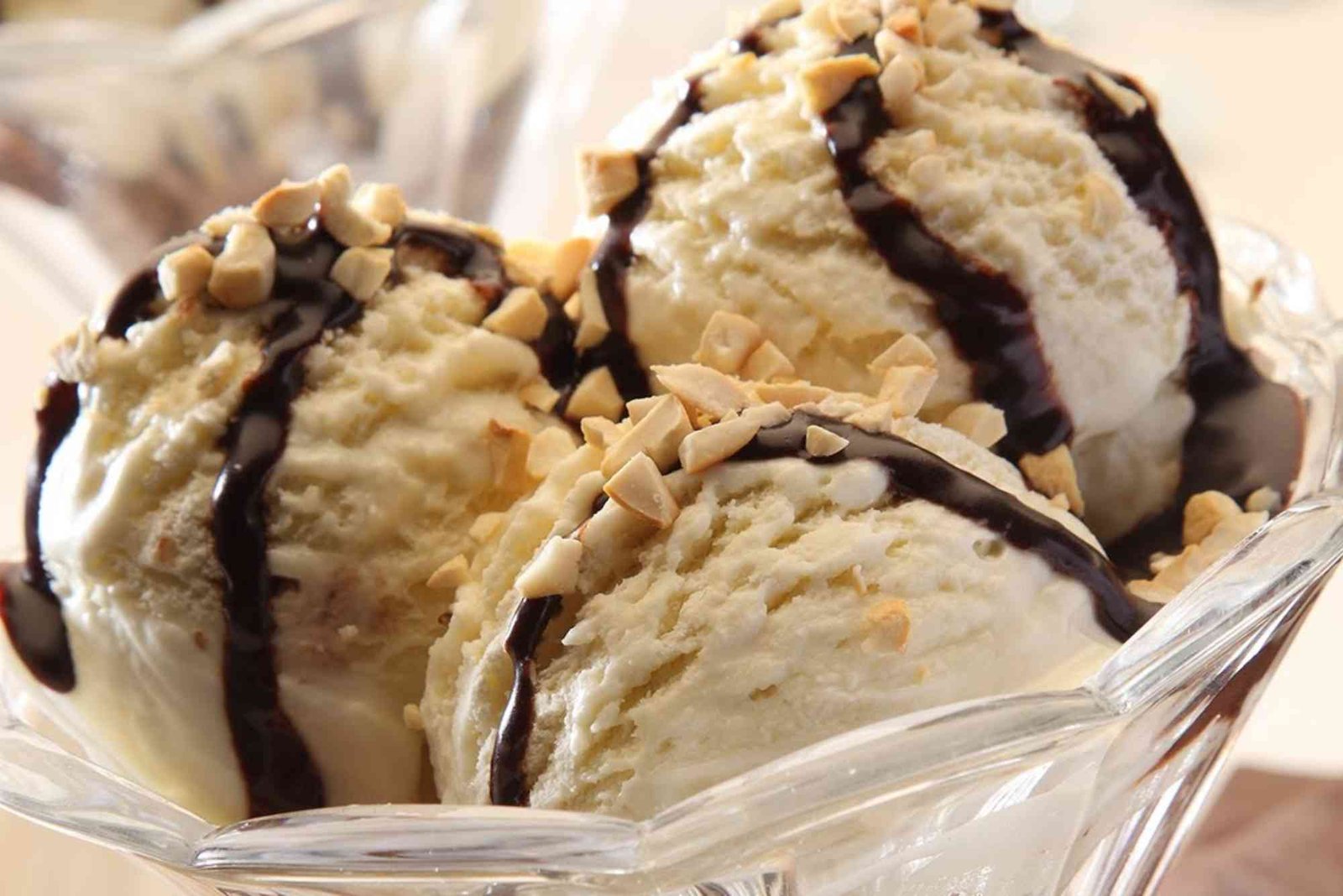
One of the joys of homemade ice cream is experimenting with flavors. Classic vanilla and chocolate are always popular, but you can easily expand into more creative options. Fresh fruits like strawberries, mangoes, and blueberries can be blended into the base for natural sweetness. Nuts, cookie pieces, or caramel swirls add texture and depth. For chocolate lovers, consider using melted chocolate or cocoa powder for a rich taste. You can also mix multiple flavors together to create unique combinations like coffee-chocolate swirl or strawberry-basil. Adding herbs, spices, or even a hint of citrus zest can elevate your ice cream into a gourmet treat.
Tips for Perfect Texture
Achieving the perfect ice cream texture requires a few simple tricks. First, ensure your mixture is thoroughly chilled before freezing or churning. This reduces ice crystal formation and creates a smoother texture. Using alcohol or corn syrup can also prevent crystallization and keep ice cream soft. Avoid over-whipping the cream, which can cause a grainy texture. When storing, cover the ice cream tightly to prevent freezer burn and ice crystals. Allowing the ice cream to sit at room temperature for a few minutes before scooping makes serving easier and enhances the creamy mouthfeel.
Creative Presentation Ideas
Serving homemade ice cream can be as fun as making it. Scoop into bowls, cones, or dessert glasses, and top with sauces, sprinkles, or fresh fruit. Layering ice cream with cookie crumbles or brownies can create an instant sundae. You can even make ice cream sandwiches by placing scoops between cookies. Presentation matters because it enhances the eating experience and makes your homemade creation feel special. For celebrations, consider using molds or popsicle sticks for portion-controlled treats that are perfect for kids or parties.
Common Mistakes to Avoid
Even experienced cooks make mistakes with homemade ice cream. Common errors include not chilling the base thoroughly, over-churning, or using low-quality ingredients. Overcooking custard can cause eggs to scramble, ruining the texture. Freezing too quickly can create hard ice crystals. To avoid these mistakes, follow recipes carefully, measure ingredients accurately, and be patient during freezing. Remember, ice cream making is part science and part art, and practice improves results.
Storing and Serving Homemade Ice Cream
Proper storage is essential to maintain flavor and texture. Keep ice cream in an airtight container and store it at the back of the freezer where the temperature is most stable. Homemade ice cream is best consumed within two weeks for peak freshness. When serving, use a warm scoop to prevent sticking, and allow it to soften slightly for easier scooping. Re-freezing melted ice cream is not recommended as it can degrade texture and create ice crystals. With proper storage, your homemade ice cream can be a ready-to-enjoy treat anytime.
Benefits of Making Ice Cream at Home
Homemade ice cream has several advantages over store-bought varieties. You control the ingredients, making it healthier and customizable. There are no preservatives or artificial flavors, and you can adjust sweetness or fat content to your liking. Making ice cream can also be a fun activity with family or friends, turning dessert into a creative experience. It encourages experimentation and allows you to tailor flavors to personal preferences. Overall, homemade ice cream is fresher, tastier, and more satisfying than pre-packaged options.
Making homemade ice cream is easier than many people think. With simple ingredients, a few techniques, and a little creativity, anyone can craft delicious, creamy ice cream at home. Whether you choose the no-churn method for convenience or the traditional churned method for professional results, the rewards are endless. Try different flavors, experiment with mix-ins, and enjoy the satisfaction of a dessert made entirely by you. Start your homemade ice cream adventure today, and treat yourself and your loved ones to a sweet, personalized indulgence. Don’t wait—grab your ingredients and make your first batch of homemade ice cream now.
Discover the secret to mouth-watering grilled dishes with these top BBQ marinade recipes. From sweet to spicy, each recipe brings out the perfect flavor in your meat. Try these easy-to-follow marinades and elevate your BBQ game today. Check out the full collection of best BBQ marinades here for your next cookout.
FAQ Section
How can I make ice cream without an ice cream maker?
You can make no-churn ice cream using whipped cream and sweetened condensed milk. Fold together, add flavorings, and freeze.
What is the secret to creamy ice cream?
Chilling the base thoroughly, adding cream, and properly folding whipped cream can prevent ice crystals and create smooth texture.
Can I use milk instead of cream?
Whole milk can be used, but it will result in a less creamy texture. Heavy cream is recommended for richness.
How long can homemade ice cream be stored?
Store in an airtight container at the back of the freezer for up to two weeks for best quality.
Can I add fruits or chocolate pieces?
Yes, adding mix-ins like fruits, chocolate, or nuts enhances flavor and texture. Add them near the end of churning or folding.