





Introduction
Buddha bowls are a vibrant, nutritious, and versatile meal option. They combine a variety of colorful vegetables, grains, proteins, and healthy fats in one satisfying dish. These bowls are perfect for anyone looking to eat clean, maintain energy, and enjoy a visually appealing meal. Learning how to make healthy Buddha bowls allows you to experiment with flavors, textures, and seasonal ingredients, turning mealtime into a creative and nourishing experience.
Understanding Buddha Bowls
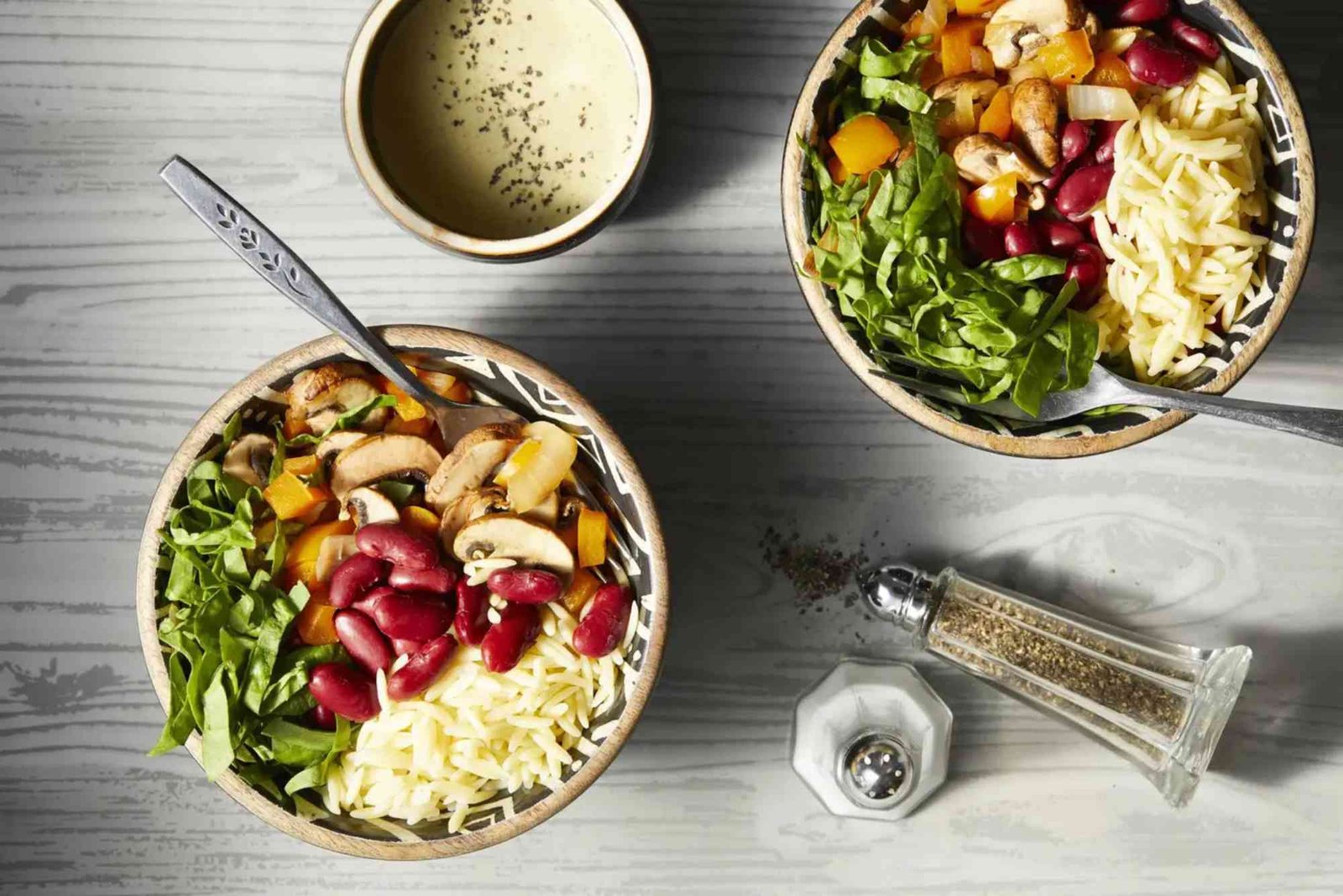
Buddha bowls are based on the principle of balance. A proper bowl contains elements from multiple food groups: a base of grains, a variety of vegetables, a protein source, and a dressing or healthy fat. This combination ensures that each meal is filling, nutrient-dense, and aesthetically appealing. The beauty of Buddha bowls lies in their flexibility. You can swap ingredients according to preference, dietary needs, or seasonal availability.
Choosing the Right Base
The foundation of a Buddha bowl is typically grains or leafy greens. Quinoa, brown rice, barley, and couscous are popular choices. Quinoa is rich in protein and contains all nine essential amino acids, making it ideal for vegetarians and vegans. Brown rice provides fiber and sustained energy, while barley offers a nutty flavor and added texture. Leafy greens like spinach, kale, or arugula can also serve as the base, adding freshness and nutrients without extra calories. Combining grains with greens is another option to increase both taste and health benefits.
Selecting Fresh Vegetables
Vegetables are the star of any Buddha bowl. Aim for a variety of colors and textures, including raw, roasted, and steamed options. Red bell peppers, carrots, beets, broccoli, and sweet potatoes provide vitamins, minerals, and antioxidants. Roasting vegetables enhances their natural sweetness, while raw vegetables add crunch. Adding shredded cabbage or cucumber can provide a refreshing contrast to heavier cooked ingredients. Including a mix of seasonal vegetables ensures your bowls remain flavorful and aligned with nutrient diversity.
Incorporating Protein Sources
Protein is essential for maintaining muscle, boosting metabolism, and keeping you full longer. Plant-based proteins like chickpeas, black beans, lentils, tofu, tempeh, and edamame are popular in Buddha bowls. For non-vegetarians, grilled chicken, salmon, or boiled eggs can be excellent additions. Protein should be seasoned well to enhance the overall flavor of the bowl. Marinating tofu or roasting chickpeas with spices can create bold, satisfying bites. Adequate protein not only improves satiety but also balances the macronutrient profile of your meal.
Adding Healthy Fats
Healthy fats provide flavor, texture, and essential nutrients. Avocado slices, tahini, nuts, seeds, or olive oil dressings are commonly used. Avocado offers heart-healthy monounsaturated fats, while nuts and seeds add crunch and extra protein. Drizzling a homemade dressing with olive oil, lemon juice, and spices can elevate the bowl without relying on heavy sauces. Healthy fats also help your body absorb fat-soluble vitamins from vegetables, making your meal more nutritionally complete.
Flavorful Dressings and Toppings
A Buddha bowl is incomplete without a flavorful dressing. You can create simple dressings using yogurt, lemon juice, olive oil, or miso paste. Tahini-based dressings, citrus vinaigrettes, and spicy peanut sauces are also popular. Toppings like fresh herbs, sprouts, pickled vegetables, or roasted seeds enhance both flavor and texture. Experimenting with dressings and toppings ensures every bite is delicious and encourages variety in each bowl. A good dressing ties all ingredients together and balances flavors.
Meal Prep Tips for Buddha Bowls
Meal prepping Buddha bowls saves time and ensures you eat healthily throughout the week. Cook grains in bulk and store them in airtight containers. Roast a variety of vegetables and prepare proteins in advance. Wash and chop greens so they are ready to use. Store dressings separately to prevent soggy ingredients. Combining prepped elements in different ways allows you to create multiple variations of bowls without repeating flavors. Planning ahead can make your meals more enjoyable and reduce the temptation of unhealthy alternatives.
Seasonal and Cultural Variations
Buddha bowls can reflect different cuisines. Incorporate Mediterranean flavors with olives, feta, and sun-dried tomatoes, or Asian-inspired elements like edamame, sesame seeds, and soy-based dressings. Using seasonal vegetables makes the bowls fresher and more nutrient-dense. For example, in winter, roasted root vegetables and kale work well, while in summer, fresh tomatoes, cucumbers, and zucchini shine. Exploring global flavors keeps your meals exciting while offering diverse nutrients.
Common Mistakes to Avoid
When making Buddha bowls, avoid overloading them with heavy sauces or fried ingredients. Balance is key—too many grains or fats can overshadow vegetables. Also, don’t ignore texture variety; including crunchy, soft, and creamy components makes the bowl more enjoyable. Finally, ensure protein portions are adequate to keep you full and energized. Mindful preparation can turn a simple bowl into a nutritious and satisfying meal.
Healthy Buddha bowls are more than just visually appealing dishes—they are nutrient-packed meals that support your wellness goals. By combining grains, vegetables, proteins, healthy fats, and flavorful dressings, you can create endless variations suited to your taste and dietary needs. Experiment with colors, textures, and global flavors to keep your meals exciting. Take the time to plan and prep your bowls, making it easy to enjoy a wholesome, energizing meal anytime. Start creating your own Buddha bowls today and experience the joy of eating healthy without sacrificing flavor.
Looking for quick and delicious meals? Discover our top 15-minute dinner recipes that are perfect for busy evenings. These easy-to-follow recipes save time without compromising on taste. Check out the full list of meals here: top 15-minute dinner recipes and make dinner stress-free tonight!
FAQs
What are Buddha bowls good for?
Buddha bowls are excellent for balanced nutrition, weight management, and providing a variety of vitamins and minerals in one meal.
Can I make Buddha bowls vegan?
Yes, simply use plant-based proteins like chickpeas, tofu, lentils, and add healthy fats like avocado and nuts.
How do I keep Buddha bowls fresh for meal prep?
Store grains, proteins, and vegetables separately. Add greens and dressings just before serving to prevent sogginess.
What grains work best in Buddha bowls?
Quinoa, brown rice, barley, and couscous are ideal bases. Leafy greens can also be used for lighter bowls.
Can Buddha bowls help with weight loss?
Yes, they are nutrient-dense and portion-controlled, helping you feel full while consuming fewer calories compared to processed meals.