






Introduction
Eating a healthy dinner is one of the most effective ways to support weight loss while keeping your body energized and satisfied. Many people underestimate the importance of dinner, opting for quick, calorie-dense meals that often hinder their weight loss goals. By choosing nutritious, balanced meals, you can not only reduce excess calories but also provide your body with essential nutrients for optimal metabolism. Healthy dinner recipes for weight loss focus on lean proteins, complex carbohydrates, fresh vegetables, and heart-healthy fats, creating meals that are satisfying yet low in calories
Why a Healthy Dinner Matters for Weight Loss
Dinner is the final opportunity to provide your body with quality nutrition before the overnight fasting period. Consuming a balanced meal in the evening helps maintain stable blood sugar levels, supports muscle repair, and prevents late-night cravings. Many individuals tend to overeat at night, especially after a busy day, which can lead to weight gain. Incorporating healthy dinner recipes for weight loss can address this by offering meals that are flavorful, filling, and low in empty calories. Including lean proteins like chicken, fish, tofu, or legumes ensures muscle preservation while boosting metabolism. Pairing proteins with fiber-rich vegetables and whole grains promotes satiety, reducing the temptation for unhealthy snacks.
Key Components of Healthy Dinner Recipes
A successful dinner for weight loss focuses on balance. Proteins should make up a significant portion of your plate, as they increase fullness and help preserve lean muscle mass. Vegetables are essential because they are nutrient-dense, high in fiber, and low in calories. Healthy fats, such as avocado, olive oil, and nuts, enhance flavor while supporting heart health. Whole grains and complex carbohydrates provide steady energy without causing sharp insulin spikes, which can contribute to fat storage. Portion control is equally important; even healthy meals can contribute to weight gain if consumed in excess. Paying attention to portion sizes ensures that your body receives the nutrition it needs without excess calories.
Healthy Protein Choices for Dinner
Lean proteins are the foundation of any weight loss-friendly dinner. Chicken breast is a versatile option that can be grilled, baked, or sautéed with herbs and spices. Salmon provides omega-3 fatty acids that support heart health and reduce inflammation. Plant-based options like lentils, chickpeas, and tofu are excellent for vegetarians, offering protein and fiber simultaneously. Eggs, especially when boiled or poached, are another low-calorie protein source that keeps you full longer. Combining proteins with a variety of vegetables creates a nutrient-rich meal that supports your weight loss goals without sacrificing taste.
Vegetables That Promote Weight Loss
Vegetables are low in calories but high in fiber, vitamins, and minerals. Leafy greens such as spinach, kale, and arugula are excellent for salads or stir-fries, providing bulk to meals without excessive calories. Cruciferous vegetables like broccoli, cauliflower, and Brussels sprouts are particularly beneficial, as they increase satiety and support digestion. Bell peppers, zucchini, and tomatoes add flavor and color while contributing antioxidants that promote overall health. Cooking methods matter; steaming, grilling, or roasting vegetables with minimal oil preserves nutrients and enhances flavor without adding unnecessary calories. Incorporating a wide variety of vegetables ensures a spectrum of nutrients that support weight loss and overall well-being.
Healthy Carbohydrates for Sustainable Energy
While many people avoid carbohydrates for weight loss, choosing the right type can aid your metabolism and prevent energy crashes. Whole grains like quinoa, brown rice, and barley provide fiber, vitamins, and minerals while keeping you full for longer. Sweet potatoes are a nutrient-dense carbohydrate rich in beta-carotene and complex starches that release energy slowly. Legumes like lentils, beans, and chickpeas provide both protein and carbohydrates, creating a balanced meal that supports fat loss. Avoid refined carbs such as white bread, pasta, and pastries, which can cause spikes in blood sugar and contribute to fat accumulation. Pairing carbohydrates with proteins and healthy fats slows digestion and enhances fullness, reducing the likelihood of late-night snacking.
Healthy Fats That Support Weight Loss
Incorporating healthy fats into dinner can increase satiety and support hormone balance. Sources such as avocado, olive oil, nuts, seeds, and fatty fish provide essential fatty acids that improve heart health and aid in fat metabolism. Unlike trans fats or processed oils, these healthy fats are calorie-dense but beneficial when consumed in moderation. Drizzling olive oil over roasted vegetables or adding a few slices of avocado to a salad adds flavor while providing fat-soluble vitamins. Nuts and seeds can be sprinkled on salads or incorporated into dressings to create texture and enhance taste without relying on high-calorie sauces. Moderation is key; too many fats can increase overall calorie intake, even if they are healthy.
Practical Tips for Preparing Healthy Dinners
Planning ahead is critical for maintaining healthy eating habits. Meal prepping vegetables, proteins, and grains in advance reduces the temptation to order fast food or cook high-calorie meals when you are tired. Choosing quick, one-pan recipes can make cooking easier and minimize cleanup, encouraging consistent healthy eating. Spices and herbs are essential tools for flavor without adding calories. Using garlic, ginger, turmeric, paprika, and fresh herbs can transform simple dishes into flavorful meals that feel indulgent yet remain weight-loss friendly. Drinking water before and during meals can also help reduce overeating, as mild dehydration is often mistaken for hunger.
Example Dinner Ideas for Weight Loss
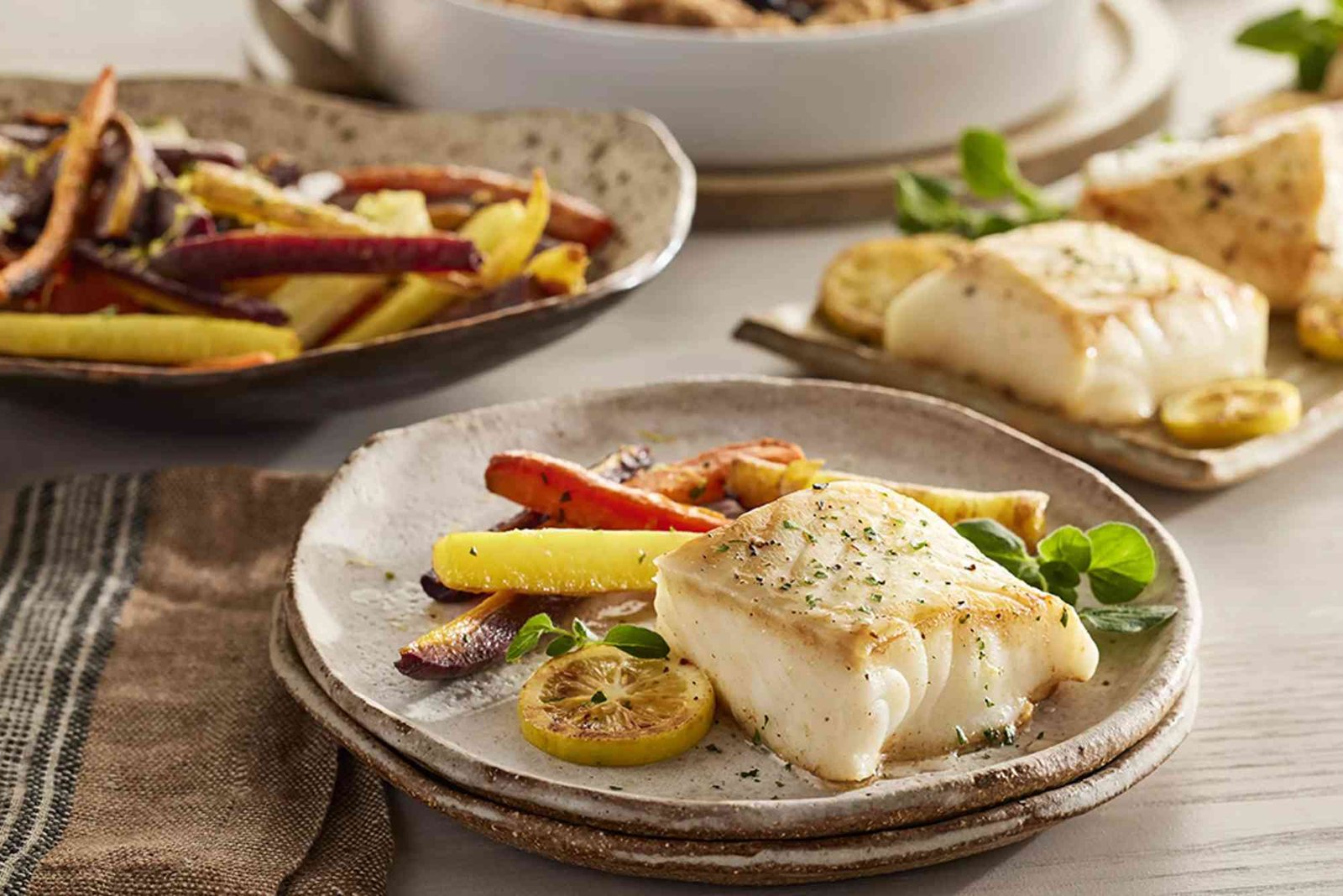
A balanced dinner might include a grilled salmon fillet with roasted asparagus and a side of quinoa. The protein from salmon and fiber from asparagus provide fullness, while quinoa delivers slow-digesting carbohydrates. Another option is a vegetable stir-fry with tofu and a small portion of brown rice, cooked in minimal olive oil. This combination provides protein, fiber, and healthy fats without excess calories. A chicken and vegetable soup with a mix of leafy greens, carrots, and zucchini can be a comforting yet light dinner, ideal for those watching portion sizes. Even a hearty salad with grilled chicken, avocado, cherry tomatoes, and a light vinaigrette provides a nutrient-dense, satisfying meal. The key is balancing macronutrients while keeping the total calorie count appropriate for weight loss.
Timing and Portion Control
The timing of your dinner also impacts weight loss. Eating too late at night may interfere with digestion and disrupt sleep, both of which affect metabolism. Aim to finish dinner at least two to three hours before bedtime. Portion control is equally important; even healthy meals can contribute to weight gain if consumed in excessive quantities. Using smaller plates, measuring portions, and listening to your body’s hunger cues can prevent overeating. Focus on eating slowly, savoring each bite, and stopping when you feel comfortably full. These habits support long-term weight loss success and foster a healthier relationship with food.
Lifestyle Factors That Complement Healthy Dinners
While healthy dinner recipes are essential, other lifestyle factors play a crucial role in weight loss. Regular physical activity, adequate sleep, and stress management all influence metabolism and appetite regulation. Consuming nutrient-dense dinners helps fuel workouts and recovery, but pairing nutrition with consistent exercise amplifies results. Mindful eating practices, such as avoiding distractions while eating and appreciating the flavors and textures of your meal, enhance satisfaction and reduce the likelihood of overeating. Maintaining a positive mindset and setting realistic goals encourages sustainable weight loss rather than quick-fix diets.
Incorporating healthy dinner recipes for weight loss into your daily routine is a practical and effective way to achieve your fitness goals. Focusing on lean proteins, fiber-rich vegetables, complex carbohydrates, and healthy fats ensures meals are satisfying and nutrient-dense. Planning, portion control, and mindful eating practices further enhance results, making weight loss more sustainable. By experimenting with flavors, cooking methods, and meal combinations, you can enjoy delicious dinners that support your health while preventing boredom in your diet. Taking the time to prepare and enjoy a healthy dinner is an investment in your long-term well-being.
Start transforming your evenings with simple, nutritious dinner recipes today. Choose one healthy recipe this week, prepare it mindfully, and notice the difference in energy, fullness, and progress toward your weight loss goals. Consistency is key, and even small changes can lead to significant results over time.
If you’re craving flavorful and juicy meals that are perfect for any season, be sure to check out Best Grilled Chicken Recipes for an inspiring collection of mouth‑watering ideas. From smoky classics to creative marinades, these recipes make grilling easy and delicious whether you’re a beginner or a seasoned cook.
FAQs
What are the best healthy dinner recipes for weight loss?
The best recipes include lean proteins like chicken or fish, plenty of vegetables, whole grains, and healthy fats such as avocado or olive oil.
Can I eat carbs at dinner if I want to lose weight?
Yes, choosing complex carbohydrates like quinoa, sweet potatoes, or brown rice supports energy and satiety without hindering weight loss.
How late should I eat dinner for weight loss?
It is recommended to eat at least two to three hours before bedtime to allow digestion and avoid interfering with sleep.
Are plant-based dinners effective for weight loss?
Absolutely, plant-based dinners with tofu, legumes, vegetables, and whole grains provide protein, fiber, and nutrients necessary for weight loss.
How can I make my dinners more satisfying without extra calories?
Incorporate fiber-rich vegetables, lean proteins, and healthy fats, and season meals with herbs and spices for flavor without adding calories.