







Introduction
Deserts are some of the most captivating landscapes on Earth. With their vast stretches of sand, unique wildlife, and cultural richness, they offer travelers a mix of adventure and serenity. Exploring deserts is not just about experiencing extreme climates; it’s about immersing yourself in nature, history, and local traditions. Whether you are seeking thrilling dune rides, tranquil sunsets, or starlit nights, desert destinations provide unforgettable experiences. In this guide, we will explore some of the best desert destinations that every traveler should consider.
Sahara Desert, Africa
The Sahara Desert is the largest hot desert in the world, spanning multiple countries in North Africa. Its endless sand dunes and dramatic landscapes have inspired countless travelers and explorers. Visiting the Sahara offers unique experiences such as camel trekking, camping under the stars, and witnessing the breathtaking sunrise over golden dunes. Regions like Merzouga in Morocco are particularly famous for offering authentic desert experiences. The desert is also home to Berber communities, giving visitors an opportunity to learn about local culture and traditions.
Arabian Desert, Middle East
The Arabian Desert stretches across several countries, including Saudi Arabia, Oman, and the United Arab Emirates. Known for its vast sand dunes and spectacular oases, this desert combines adventure with luxury. In the UAE, areas like the Liwa Oasis provide a perfect mix of natural beauty and cultural experiences. Visitors can enjoy dune bashing in 4×4 vehicles, sandboarding, and even staying in high-end desert resorts. The Arabian Desert is also historically significant, as it has been a hub for trade and nomadic life for centuries.
Atacama Desert, Chile
The Atacama Desert in Chile is one of the driest places on Earth, offering a unique landscape of salt flats, volcanoes, and geysers. Unlike sandy deserts, the Atacama features rocky terrains, making it perfect for photography and exploration. Stargazing is a major attraction here because of the clear skies and minimal light pollution. Travelers can also visit the Valle de la Luna, a moon-like valley with surreal rock formations and breathtaking sunsets. The desert’s unique flora and fauna add to its charm, making it a destination for nature lovers and adventure seekers alike.
Gobi Desert, Mongolia
The Gobi Desert in Mongolia is famous for its diverse landscapes, including sand dunes, mountains, and semi-arid steppes. Unlike typical hot deserts, the Gobi experiences extreme temperature variations, making it a unique adventure destination. Visitors can explore ancient dinosaur fossil sites, traditional Mongolian nomadic camps, and wide-open plains that stretch to the horizon. The desert’s cultural richness includes interactions with local herders and experiencing traditional Mongolian cuisine. The Gobi Desert is ideal for travelers seeking both adventure and cultural immersion.
Namib Desert, Namibia
The Namib Desert is one of the oldest deserts in the world, characterized by its towering red dunes and dramatic landscapes. This desert offers some of the most iconic desert experiences, such as climbing the massive Dune 45 or exploring the Skeleton Coast. Wildlife enthusiasts will appreciate the desert-adapted species, including oryx, springbok, and desert elephants. Guided tours allow visitors to learn about the unique ecosystem and the desert’s fascinating geology. For photographers, the Namib Desert is a dream destination, offering stunning vistas at every turn.
Thar Desert, India
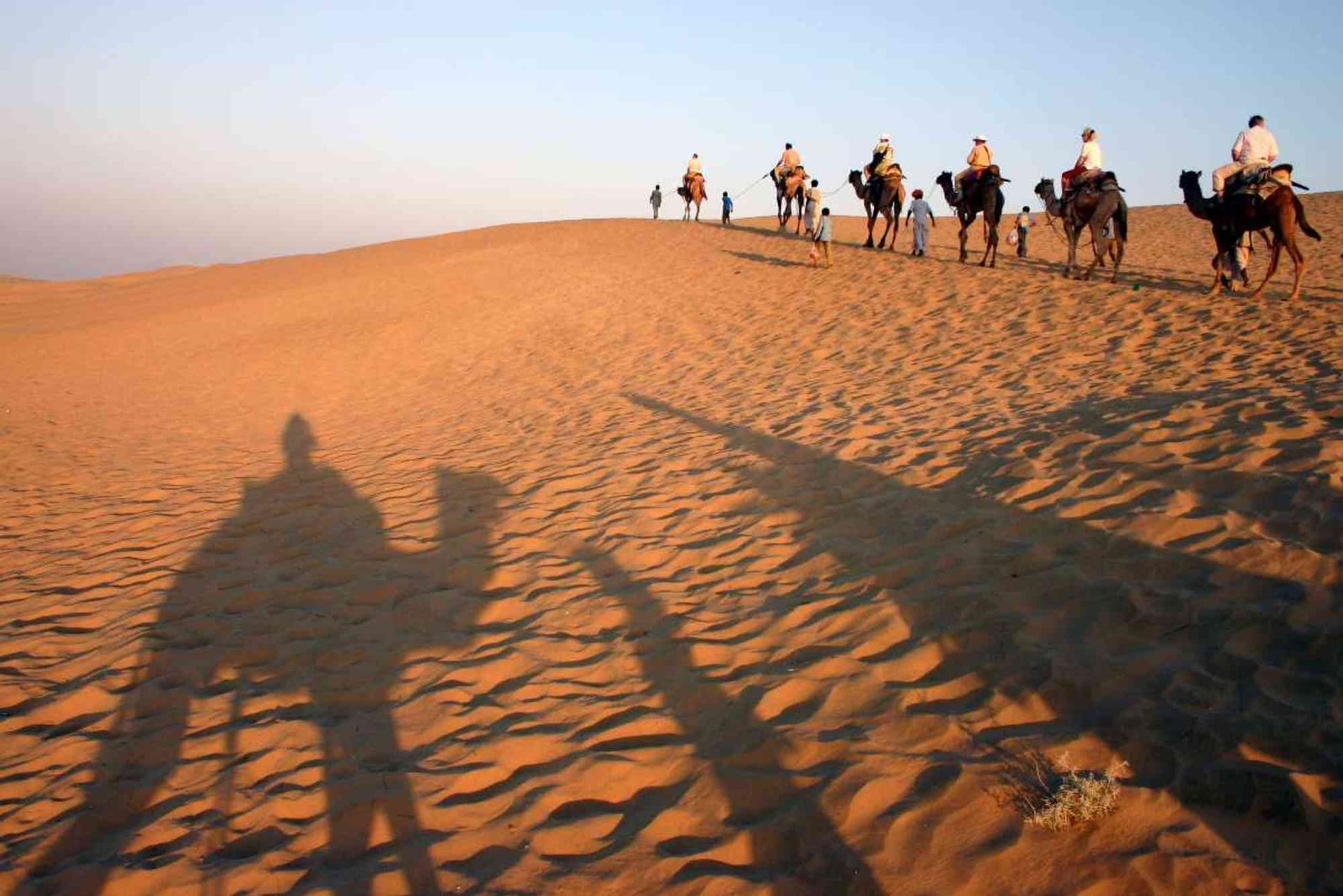
The Thar Desert, also known as the Great Indian Desert, stretches across Rajasthan and offers a rich blend of culture, history, and adventure. Visitors can explore historic forts, vibrant local markets, and traditional villages that reflect the desert’s heritage. Camel safaris are a popular activity, allowing travelers to traverse the sand dunes while enjoying the serene landscape. The desert also hosts several cultural festivals, showcasing folk music, dance, and crafts. Staying in luxury desert camps enhances the experience, making it both comfortable and immersive.
Mojave Desert, USA
The Mojave Desert in the United States is known for its unique desert flora, including the famous Joshua trees, and its striking landscapes. Located in California and parts of Nevada, the desert features attractions like Death Valley National Park and the Mojave National Preserve. Visitors can hike scenic trails, enjoy off-road adventures, and witness some of the hottest temperatures on the planet. The Mojave Desert also has historical significance, with remnants of mining towns and Native American heritage sites. Its accessibility and variety of activities make it a top choice for North American desert exploration.
Kalahari Desert, Southern Africa
The Kalahari Desert stretches across Botswana, Namibia, and South Africa and is known for its semi-arid terrain and wildlife-rich environment. Unlike many deserts, the Kalahari features seasonal vegetation, waterholes, and diverse wildlife. Travelers can embark on safari tours to see lions, meerkats, and giraffes in their natural habitat. The desert is also home to the San people, one of the oldest indigenous communities, providing opportunities to learn about their unique culture and survival skills. The Kalahari offers a balanced mix of adventure, wildlife, and cultural experiences.
Wadi Rum, Jordan
Wadi Rum, also called the Valley of the Moon, is a desert valley in southern Jordan renowned for its dramatic sandstone mountains and rock formations. The desert’s cinematic landscapes have been featured in several films, attracting adventurers and photographers alike. Visitors can enjoy jeep tours, camel rides, rock climbing, and camping under star-filled skies. The desert also holds historical significance, with ancient petroglyphs and inscriptions revealing stories of past civilizations. Wadi Rum is ideal for travelers seeking adventure, tranquility, and a touch of history.
Tips for Exploring Deserts
Traveling to deserts requires preparation and awareness. It is essential to carry sufficient water, wear appropriate clothing, and protect yourself from the sun. Planning excursions with local guides enhances safety and provides deeper cultural insights. Engaging in activities like sandboarding, camel trekking, and stargazing can make your desert journey more memorable. Respecting local communities and natural habitats ensures sustainable tourism, allowing these destinations to remain pristine for future explorers.
Exploring deserts offers a unique opportunity to experience natural beauty, adventure, and cultural richness in one journey. From the vast sands of the Sahara to the unique landscapes of the Atacama, each desert destination has something special to offer. Whether you are seeking thrill, serenity, or a mix of both, deserts provide experiences that leave lasting memories. Plan your next adventure, immerse yourself in the beauty of these landscapes, and discover the wonders of the world’s most captivating deserts. Start your desert journey today and create stories that will last a lifetime.
Traveling can be stressful, especially when navigating busy airports. To make your journey smoother, check out our comprehensive guide on how to navigate airports like a pro. This resource covers tips on security, lounges, and efficient boarding, helping you save time and enjoy a hassle-free travel experience.
FAQs
What is the best time to visit desert destinations?
The best time is usually during the cooler months, avoiding peak summer heat. Early mornings and late evenings are ideal for exploring.
Are desert safaris safe for tourists?
Yes, with proper planning and licensed guides, desert safaris are safe. Always follow local safety instructions.
What activities can I do in deserts?
Popular activities include camel trekking, dune bashing, sandboarding, stargazing, and visiting cultural sites.
Do I need special gear for desert travel?
Comfortable clothing, sun protection, hydration packs, and sturdy footwear are essential. Guides often provide additional equipment.
Can deserts be explored alone?
While some areas allow solo exploration, guided tours are recommended for safety and a richer experience.