






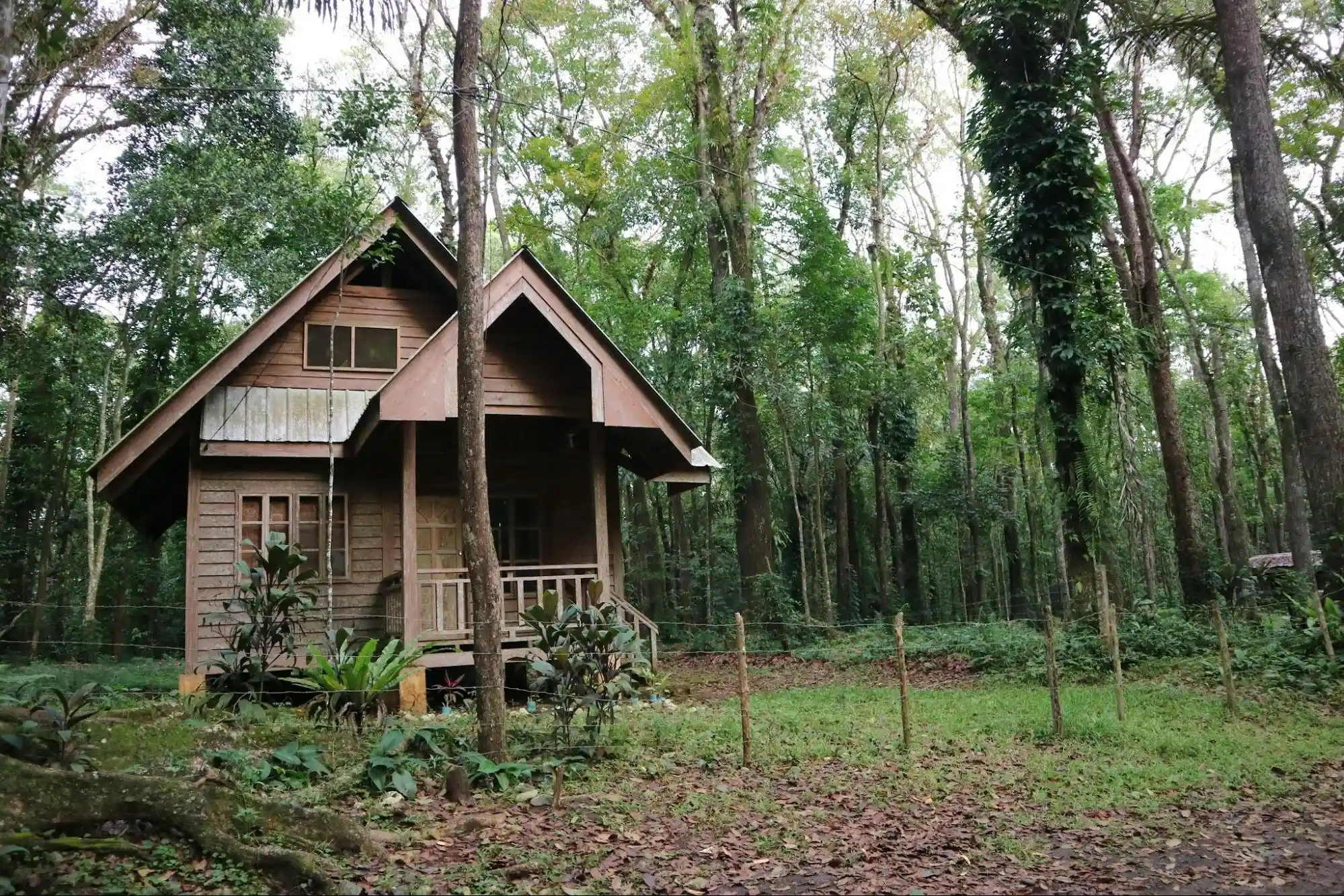
Every successful home project begins with a clear understanding of how materials, design, and execution come together. Timber has remained one of the most reliable materials in construction, but its effectiveness depends on how it is applied. Modern builders are no longer just choosing materials—they are looking for complete solutions that improve efficiency, durability, and overall project flow.
This shift toward solution-based building has made timber even more valuable. Its adaptability allows it to fit into different stages of construction, from structural framing to interior finishing. When used strategically, it supports projects that are both practical and thoughtfully designed.
The Importance of Integrated Building Solutions
Construction projects often face challenges related to coordination, material performance, and time management. Addressing these issues requires more than individual components—it requires a cohesive approach where every element works together. Timber, when incorporated into a well-planned system, can help streamline this process.
Understanding the broader framework of timber use, including documentation such as timber-related reporting and management guidelines, highlights how material selection and planning are interconnected. These systems ensure that timber is sourced, managed, and used effectively within construction projects.
By focusing on integrated solutions, builders can reduce inefficiencies and create a more predictable workflow from start to finish.
Why Timber Remains a Core Part of Modern Solutions
Versatility Across Construction Phases
Timber’s ability to adapt to different roles makes it an essential part of modern building solutions. It can serve as a structural framework, a finishing material, or a design feature, allowing builders to maintain consistency throughout a project.

This versatility reduces the need for multiple materials, simplifying both planning and execution. By relying on a single adaptable resource, builders can achieve greater efficiency without compromising quality.
Efficiency and Workability
Another key advantage of timber is its ease of use. It is relatively lightweight and simple to work with, which allows construction teams to complete tasks more quickly and accurately. This efficiency helps keep projects on schedule and reduces the likelihood of delays.
When combined with proper planning, timber’s workability contributes to a smoother overall process. Builders can focus on precision and consistency rather than dealing with unnecessary complications.
Applying Timber Solutions with Expert Guidance
While timber offers many benefits, its success depends on how it is applied within a project. Skilled professionals play a crucial role in ensuring that materials are selected, prepared, and installed correctly.
Working with experienced providers such as solutions from Tar River allows builders to approach projects with greater confidence. Their expertise helps align material choices with structural requirements and design goals, resulting in a more cohesive and efficient build.
This level of guidance is particularly valuable in complex projects where coordination is essential. By relying on proven solutions, builders can minimize risks and achieve more consistent results.
Making Smarter Decisions for Home Improvement Projects
Home improvement projects often require a balance between cost, quality, and convenience. Choosing the right materials and suppliers can make a significant difference in how smoothly a project progresses. Timber, with its versatility and reliability, is often a preferred choice for both large and small upgrades.
For homeowners looking to make informed decisions, this guide to shopping for home improvement materials offers practical insights into selecting the right resources. Understanding where and how to source materials helps ensure that projects meet both budget and quality expectations, as seen in this example of modern commercial property design.
By combining smart sourcing with effective use of timber, homeowners can achieve results that are both functional and visually appealing.
Reducing Waste and Improving Sustainability
Sustainability has become a key consideration in construction, and timber offers a natural advantage in this area. When sourced responsibly, it is a renewable resource that supports environmentally conscious building practices.
Efficient use of timber also helps reduce waste. Careful planning, precise cutting, and proper storage all contribute to making the most of available materials. These practices not only benefit the environment but also improve overall project efficiency.
By incorporating sustainable solutions into construction, builders can create homes that align with modern expectations while maintaining long-term value.
Balancing Design and Practical Performance
Modern homes are expected to deliver both visual appeal and practical functionality. Timber supports this balance by offering a material that is both strong and aesthetically pleasing. Its natural texture adds warmth to a space, while its structural properties ensure stability.
Design decisions play a significant role in achieving this balance. By considering how timber will be used throughout a project, builders can create spaces that feel cohesive and well-planned.
This approach allows for greater consistency across different elements of the home, resulting in a finished product that meets both functional and aesthetic goals.
Looking Ahead: The Future of Timber-Based Solutions
The construction industry is continuing to move toward more efficient and sustainable practices. Timber is well-positioned to play a central role in this transition, offering a material that aligns with both environmental and practical considerations.
Advances in engineered wood products and construction techniques are expanding the possibilities for timber use. These developments allow builders to create more complex and innovative designs while maintaining efficiency.
As these trends continue, timber-based solutions are likely to become even more important in shaping modern construction. Their ability to combine reliability with adaptability ensures that they remain relevant in an evolving industry.
Conclusion
Timber remains a cornerstone of modern construction, offering a combination of versatility, efficiency, and sustainability. When used as part of a well-planned solution, it supports projects that are both practical and visually engaging.
By focusing on integrated approaches, skilled expertise, and responsible material use, builders can create homes that meet modern expectations while maintaining long-term value. Timber’s enduring relevance lies in its ability to adapt to changing needs while consistently delivering reliable results.