









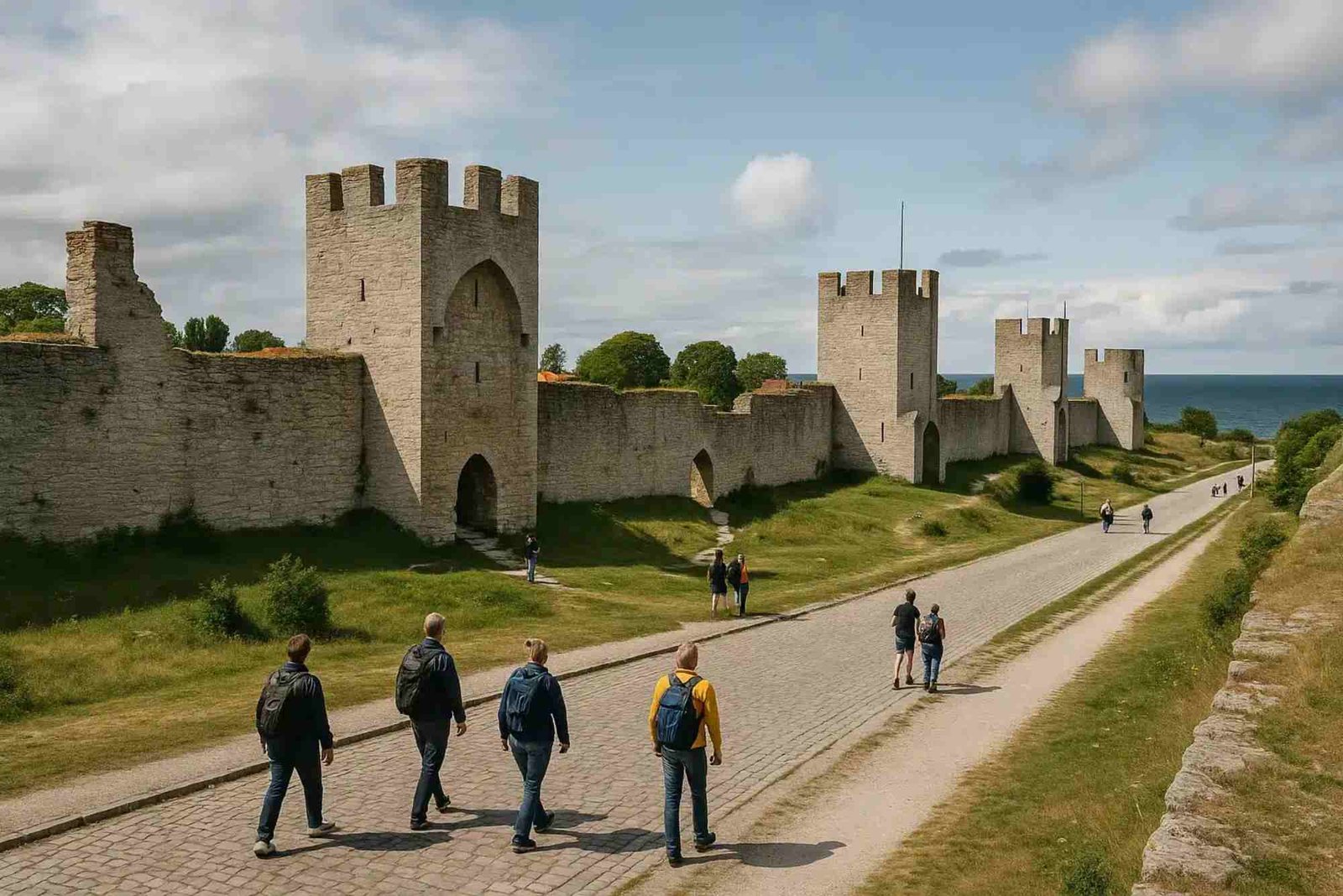
Top Historical Cities Every Traveler Must See
Traveling through historical cities allows us to step into the past and witness the stories that shaped civilizations. These cities are not only visually stunning but also carry centuries of culture, tradition, and human achievement. For travelers who seek more than modern attractions, exploring historical cities offers an immersive experience into art, architecture, and history. From ancient ruins to well-preserved streets, each city tells a unique tale that captivates curious minds and wanderlust-filled hearts. Understanding the history behind these destinations enriches your travel experience and helps you connect with cultures across time and space.
Rome: The Eternal City
Rome, often called the Eternal City, is a treasure trove of history and art. Its rich past is reflected in iconic landmarks such as the Colosseum, the Roman Forum, and the Pantheon. Walking through Rome’s cobbled streets, you encounter layers of history from the Roman Empire to the Renaissance. The city’s churches, piazzas, and fountains tell stories of religious devotion, artistic excellence, and political power. Rome’s historical significance extends beyond architecture; it also influenced law, politics, and culture worldwide. Travelers can enjoy not just sightseeing but also exploring Italian cuisine, local markets, and hidden gems tucked away from the main tourist paths. Visiting Rome is like walking through a living museum where every corner holds centuries of human achievement.

Kyoto: Japan’s Timeless Heritage
Kyoto, once the imperial capital of Japan, is synonymous with tradition and cultural preservation. The city is famous for its ancient temples, serene gardens, and tea houses. Kyoto preserves the elegance of Japan’s past through its traditional architecture and rituals that date back over a thousand years. The city offers travelers a chance to experience authentic Japanese culture, from Geisha performances to tranquil Zen gardens. Kyoto’s historical significance is also spiritual; it houses several UNESCO World Heritage sites that exemplify Japanese craftsmanship and religious devotion. Exploring Kyoto allows visitors to escape modern chaos and immerse themselves in a city where history is alive in everyday life.
Cairo: Gateway to Ancient Civilizations
Cairo, the capital of Egypt, is a city that bridges the ancient and modern worlds. The nearby Pyramids of Giza, the Sphinx, and the Egyptian Museum showcase millennia of Egyptian civilization. Cairo itself is a blend of historic mosques, bustling bazaars, and vibrant streets that reflect Islamic culture and heritage. The city’s layers of history include Pharaonic, Coptic, and Islamic influences, each leaving a distinct mark on its architecture and traditions. Travelers visiting Cairo can experience the thrill of exploring ancient tombs, cruising along the Nile, and enjoying local cuisine. Cairo offers a historical adventure that feels both monumental and intimate, making it an essential destination for history enthusiasts.
Istanbul: Where East Meets West
Istanbul, formerly known as Byzantium and Constantinople, is a city rich in cultural and historical significance. Straddling two continents, it has been the capital of both the Byzantine and Ottoman Empires. The city’s landmarks, including the Hagia Sophia, Topkapi Palace, and Blue Mosque, reflect a fusion of architectural styles from different eras. Istanbul’s bustling markets, narrow alleys, and historic neighborhoods provide travelers with a sense of life as it existed centuries ago. The city’s history is not confined to monuments; it is also embedded in traditions, cuisine, and local stories passed down through generations. Visiting Istanbul is an opportunity to witness a city that has constantly evolved while preserving its historical identity.
Athens: Cradle of Western Civilization
Athens is synonymous with ancient philosophy, democracy, and art. The city’s historical landmarks, including the Acropolis, Parthenon, and Ancient Agora, are testaments to Greece’s enduring influence on Western culture. Athens offers more than just monuments; its streets are filled with vibrant cafés, museums, and cultural activities that connect past and present. The city’s history extends to its role in shaping philosophy, theater, and governance, making it a living classroom for travelers who value learning while exploring. Athens also celebrates its modern identity, combining historical preservation with contemporary urban life, which creates a unique experience for visitors.
Jerusalem: Spiritual and Historical Crossroads
Jerusalem is a city that resonates with profound spiritual and historical significance. Sacred to Judaism, Christianity, and Islam, it houses the Western Wall, the Church of the Holy Sepulchre, and the Dome of the Rock. Jerusalem’s old city is a maze of narrow streets, vibrant markets, and ancient stone buildings, reflecting centuries of human history and religious devotion. Travelers experience the weight of history as they explore sites of pilgrimage, ancient fortifications, and religious rituals. Jerusalem’s historical depth is matched by its cultural diversity, offering a unique combination of spirituality, history, and local traditions that make it a city unlike any other.
Prague: A Medieval Gem
Prague, often called the City of a Hundred Spires, is a masterpiece of medieval architecture. Its cobblestone streets, historic castles, and Gothic churches transport visitors to a different era. The city’s Old Town, Charles Bridge, and Prague Castle showcase the artistry and engineering of past centuries. Prague is also famous for its rich literary and musical history, having inspired writers, composers, and artists throughout Europe. Travelers can enjoy historic cafés, scenic river views, and cultural events that celebrate Prague’s past. The city combines historical grandeur with a lively atmosphere, making it an unforgettable destination for those interested in European history.
Marrakech: Gateway to Moroccan Heritage
Marrakech, the vibrant heart of Morocco, offers travelers a sensory-rich historical experience. Its medinas, palaces, and gardens reflect centuries of Berber, Arab, and French influence. Marrakech is renowned for its bustling souks, intricate architecture, and cultural traditions that have been preserved for generations. Visitors can explore the historic Koutoubia Mosque, Bahia Palace, and Jemaa el-Fnaa square, where storytelling, music, and local crafts create a lively historical ambiance. Marrakech’s history is not just in its monuments; it is woven into everyday life, from local cuisine to traditional crafts, providing travelers with a fully immersive experience.
Petra: The Rose City
Petra in Jordan, famously known as the Rose City, is carved entirely out of rock and is one of the world’s most remarkable archaeological sites. The city was once a thriving trade hub and is renowned for its intricate architecture and water management systems. Exploring Petra is a journey through history, as travelers navigate narrow canyons and discover monumental tombs, temples, and facades. Petra’s historical and cultural significance is profound, providing insight into the ingenuity of the Nabateans and their influence on regional trade and architecture. Visiting Petra is a rare opportunity to witness a city that harmonizes natural beauty with human creativity in an ancient setting.
Embark on Your Historical Adventure
Historical cities offer more than sightseeing; they provide a connection to our shared human past. Each city carries unique stories, cultural traditions, and architectural marvels that transport travelers to different eras. Exploring these destinations fosters a deeper understanding of civilizations, artistic achievements, and the evolution of societies. Whether wandering the streets of Rome, meditating in Kyoto’s temples, or marveling at Petra’s rock-cut monuments, history comes alive with every step. Travelers seeking enriching experiences should prioritize these historical cities on their journeys. Start planning your trip today and immerse yourself in the timeless beauty and stories that these incredible cities offer.
If you’re searching for tranquility and a chance to reconnect with nature, exploring the best mountain destinations for peace seekers is the perfect way to unwind. These serene escapes offer breathtaking landscapes, fresh mountain air, and quiet retreats that help calm the mind and rejuvenate the soul. Whether you enjoy gentle hikes, meditative moments by a lakeside, or simply soaking in panoramic views, these destinations are ideal for anyone seeking inner peace.
FAQs
What is the best time to visit historical cities?
The best time depends on the region. Spring and autumn are ideal for mild weather and fewer crowds.
Are historical cities suitable for solo travelers?
Yes, most historical cities are safe and offer guided tours, cultural experiences, and accommodations suitable for solo travelers.
How can I experience the local culture in historical cities?
Participate in guided tours, visit local markets, attend festivals, and explore museums and historic neighborhoods.
Do I need a lot of time to explore historical cities?
Ideally, spend at least three to five days per city to fully appreciate its history and cultural sites.
Are historical cities expensive to visit?
Costs vary depending on location, season, and accommodations, but many cities offer budget-friendly options for travelers.